 By Sundar Pichai
Introduction: Why Understanding MCV Blood Test Results Matters in 2026
The MCV blood test (Mean Corpuscular Volume) is one of the most commonly performed blood tests, providing crucial information about your red blood cells. Understanding what MCV measures — and what abnormal results could mean for your health — can help you make informed decisions about your well-being.
As of 2026, the MCV test plays a vital role in diagnosing several health conditions, ranging from simple nutritional deficiencies to more complex blood disorders like anemia and liver disease. Whether you’ve had your MCV checked recently or are preparing for a future blood test, this guide will break down everything you need to know.
We’ll explain how MCV is calculated, interpret what low or high MCV could indicate, and provide practical steps for what to do if your MCV results are abnormal. By the end of this article, you’ll have a complete understanding of the MCV blood test—and what steps to take next if your results fall outside the normal range.
What is MCV in a Blood Test?
What Does MCV Measure?
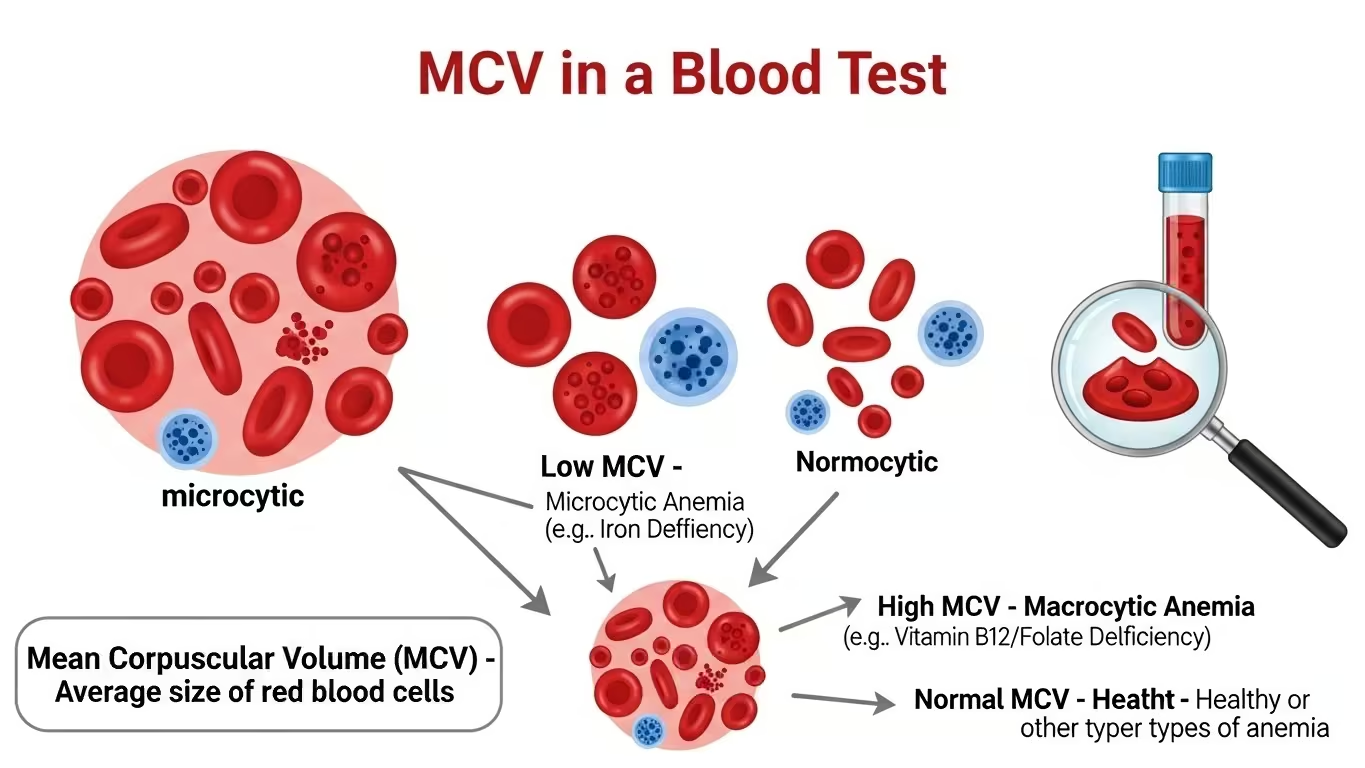
The MCV blood test measures the average size of your red blood cells (RBCs). A key component of a Complete Blood Count (CBC), MCV is expressed in femtoliters (fL). The test can help identify whether your red blood cells are too large (macrocytic) or too small (microcytic), which can be a sign of various health conditions.
How MCV is Calculated
The formula to calculate MCV is:
MCV = Hematocrit (%) ÷ Red Blood Cell Count (millions/mcL)
This ratio helps healthcare providers assess whether the size of your RBCs falls within the typical reference range.
MCV Blood Test: Interpreting Your Results
Normal MCV Range
For most adults, the normal MCV range is 80–100 fL, though it can vary slightly depending on factors like age, sex, and overall health. Children typically have a lower MCV compared to adults.
- Adult male/female: 80–100 fL
- Children: 70–85 fL (varies by age)
Low MCV: Microcytic Anemia
When your MCV is below the normal range, it typically suggests that your red blood cells are smaller than average. This can indicate conditions such as:
- Iron deficiency anemia: The most common cause of low MCV, usually due to inadequate iron intake, blood loss, or malabsorption.
- Thalassemia: A genetic disorder that leads to the production of abnormal hemoglobin and smaller red blood cells.
- Lead poisoning: Ingesting lead, especially in young children, can lower MCV.
- Chronic disease anemia: Conditions like chronic kidney disease or chronic inflammation can lead to low MCV.
High MCV: Macrocytic Anemia
When MCV is higher than the normal range, your red blood cells are larger than usual. This may indicate:
- Vitamin B12 deficiency: Essential for red blood cell production, a lack of B12 can lead to larger red blood cells.
- Folate deficiency: Like B12, folate is critical for red blood cell formation, and deficiency can cause macrocytic anemia.
- Liver disease: Chronic liver conditions, such as cirrhosis, can alter red blood cell production.
- Alcoholism: Chronic alcohol consumption can result in larger red blood cells.
- Chemotherapy: Certain cancer treatments can lead to abnormal red blood cell size.
When MCV is Normal, but Other RBC Indices are Off
Sometimes, MCV is normal, but other red blood cell indices (like MCH, RDW, or MCHC) may be abnormal. This requires a deeper analysis of other blood components to fully understand the underlying cause.
What MCV Means in Context: The Role of RBC Indices
RBC Indices: Why MCV Alone Doesn’t Tell the Whole Story
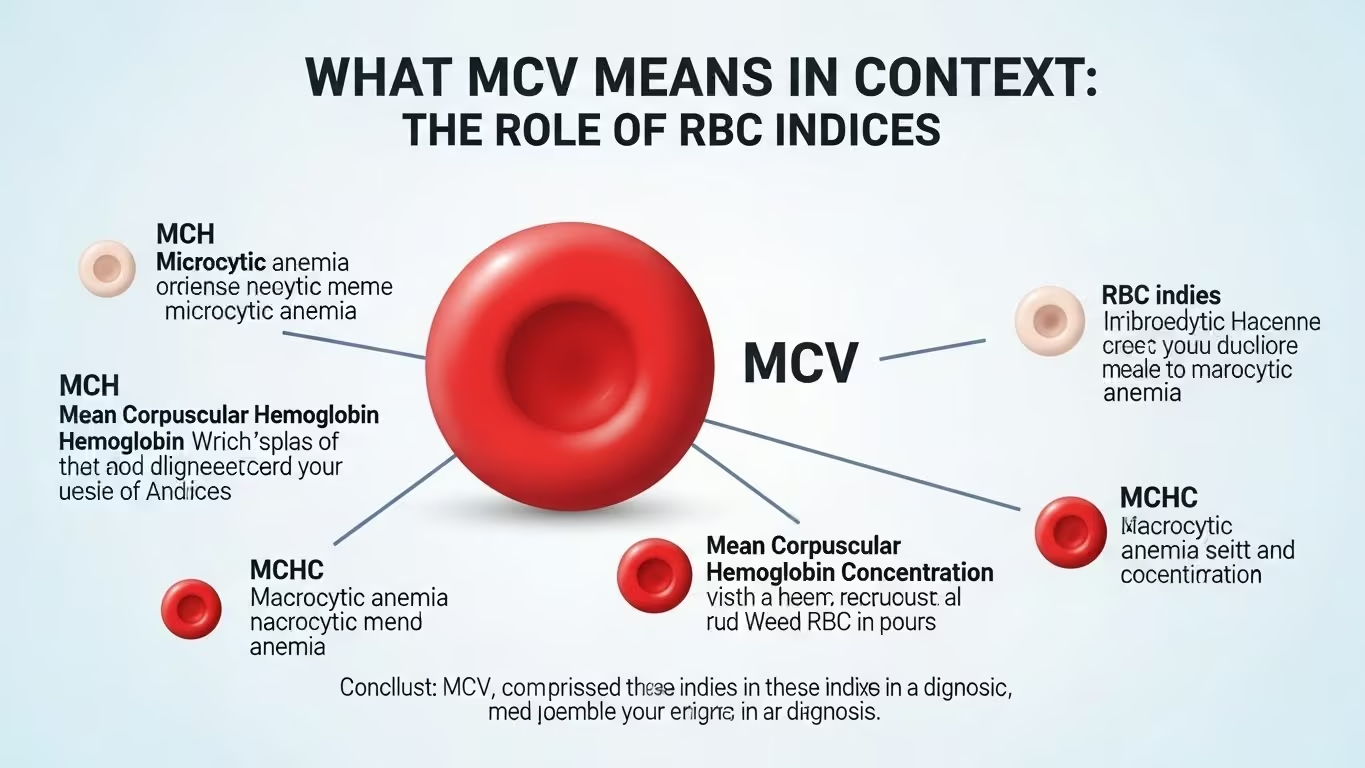
While MCV is important, it’s just one part of a complete picture. To properly diagnose blood disorders, doctors look at other key red blood cell indices, including:
- MCH (Mean Corpuscular Hemoglobin): Measures the average amount of hemoglobin in red blood cells.
- MCHC (Mean Corpuscular Hemoglobin Concentration): Measures the concentration of hemoglobin in red blood cells.
- RDW (Red Cell Distribution Width): Measures the variation in size of your red blood cells.
These indices help doctors determine whether your anemia is due to iron deficiency, vitamin deficiency, or a more complex condition like thalassemia or bone marrow disease.
Why and When Doctors Order an MCV Test
Common Reasons for an MCV Test
A doctor might order an MCV blood test for several reasons:
- Routine check-ups: Part of an annual physical exam to monitor overall health.
- Anemia diagnosis: If you experience symptoms like fatigue, pale skin, dizziness, or weakness.
- Pre-surgery screenings: To ensure optimal health before surgery.
- Monitoring chronic diseases: In conditions like chronic kidney disease or liver disease, where RBC production is affected.
Limitations of MCV Testing
It’s important to remember that MCV alone doesn’t provide a complete diagnosis. Several factors can influence MCV levels:
- Hydration status: Dehydration can make MCV appear elevated.
- Alcohol use: Chronic drinking can affect red blood cell size.
- Sample handling: Improper storage or handling of the blood sample can distort MCV results.
Doctors will always interpret MCV results in conjunction with other lab tests and clinical symptoms.
Follow-up Testing: What to Do If Your MCV Is Abnormal

Next Steps After Abnormal MCV Results
If your MCV is abnormal, it’s crucial to follow up with additional tests to determine the root cause. These might include:
- Iron studies: Serum iron, ferritin, total iron-binding capacity.
- Vitamin B12 or Folate tests: To check for deficiencies.
- Hemoglobin electrophoresis: To identify thalassemia or sickle cell anemia.
- Liver and kidney function tests: To evaluate organ function.
- Reticulocyte count: To measure the production of new red blood cells in your bone marrow.
Practical Advice for Readers
If you’ve received abnormal MCV results, here are some things you can do:
- Consult your doctor: Never self-diagnose based on MCV alone.
- Dietary adjustments: If iron or vitamin deficiencies are suspected, increase intake of rich foods like leafy greens, beans, or fortified cereals.
- Lifestyle changes: Reduce alcohol consumption if it’s contributing to MCV abnormalities.
Conclusion: Understanding Your MCV Test for Better Health Management
The MCV blood test provides essential insight into your red blood cells’ health. Whether you’re experiencing symptoms like fatigue or undergoing routine health screening, understanding MCV results can help guide you to the right diagnosis and treatment plan. Always consult a healthcare professional to interpret these results properly and determine the best course of action for your health.
MCV Blood Test FAQ
What is the safest way to understand my MCV results?
Always consult a healthcare professional. MCV results should be considered along with your symptoms and other lab tests.
Can MCV results change based on my diet?
Yes, deficiencies in iron, folate, or vitamin B12 can cause changes in MCV. A balanced diet can help restore normal levels.
Can MCV testing diagnose anemia on its own?
No. MCV is only part of the puzzle. A full assessment of RBC indices and other tests is necessary to diagnose the cause of anemia.
How long does it take to get MCV results back?
Typically, MCV results are available within 24 hours as part of a routine CBC. Your doctor will discuss the results with you.