 By Sundar Pichai
Introduction: The Role of Agents in Real Estate Offers
In real estate transactions, the process of delivering an offer is crucial to ensuring that both the buyer and the seller are on the same page. This process is far more intricate than simply presenting a piece of paper—it’s a strategic move involving buyer’s agents, seller’s agents, and the buyer themselves. Whether you’re a first-time homebuyer, a seasoned investor, or a seller looking to close a deal, understanding who delivers your offer to the seller and how this affects the outcome is essential.
The way offers are presented can influence negotiations, timelines, and even the final sale price. In this article, we will break down the framework of offer delivery, explore the roles of each agent involved, and highlight key strategies for both buyers and sellers to ensure a smooth transaction.
The Offer Delivery Framework: A Step-by-Step Process

Who Delivers the Offer to the Seller?
In a typical real estate transaction, the buyer’s agent plays the critical role of delivering the offer to the seller. However, this doesn’t mean that the agent merely acts as a messenger. The buyer’s agent crafts the offer, ensuring that the terms are clear and aligned with the buyer’s goals.
The listing agent (or seller’s agent), who represents the seller, is the second intermediary. They are responsible for presenting the offer to the seller and explaining the terms, negotiating on their behalf, and helping the seller decide whether to accept, counter, or reject the offer.
Key Players:
- Buyer’s Agent: Prepares and delivers the offer, framing it in a way that presents the buyer’s position effectively.
- Seller’s Agent: Receives the offer from the buyer’s agent and presents it to the seller, offering their professional insights and advice.
Understanding the Roles: Buyer’s Agent vs. Seller’s Agent
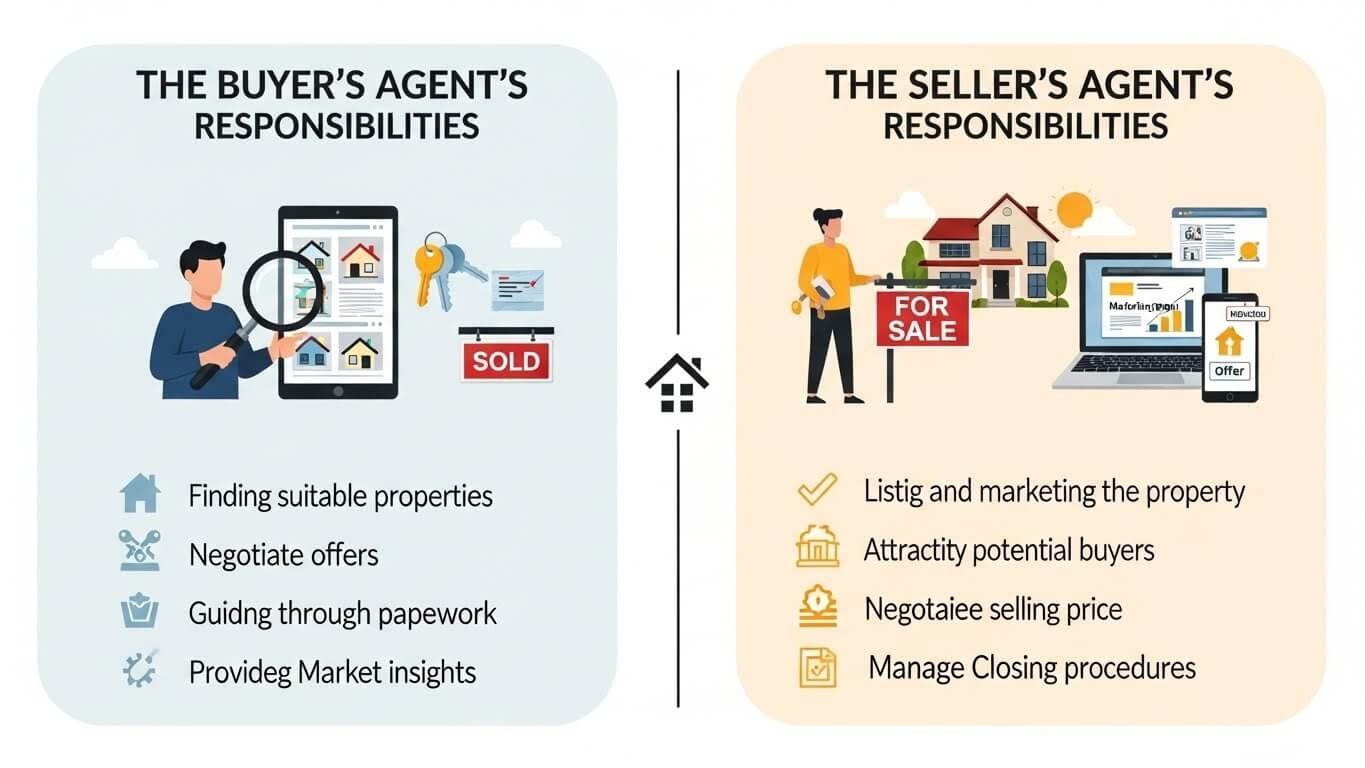
The Buyer’s Agent’s Responsibilities
The buyer’s agent has a multifaceted role that goes beyond just delivering an offer. Their job includes:
- Advising the Buyer: The agent helps the buyer decide on the offer price, contingencies, and closing terms based on market conditions, comparable property sales, and the buyer’s budget.
- Writing the Offer: Once the buyer’s terms are finalized, the agent drafts the purchase agreement, detailing the buyer’s offer, contingencies (such as financing or inspection), and the proposed closing date.
- Presenting the Offer: The buyer’s agent then submits the offer to the seller’s agent, ensuring it’s delivered formally and professionally.
Real-Life Example
A buyer’s agent working with a first-time homebuyer may suggest a slightly higher offer than the listed price to make the offer more competitive, especially in a seller’s market.
The Seller’s Agent’s Responsibilities
Once the buyer’s agent submits the offer, the seller’s agent steps in. Their role involves:
- Presenting the Offer: The seller’s agent ensures that the offer is presented clearly and professionally, providing all necessary documents.
- Explaining the Terms: They help the seller understand the offer, including price, contingencies, and deadlines.
- Advising and Negotiating: If the seller isn’t satisfied with the terms, the listing agent helps craft a counteroffer and negotiates on behalf of the seller.
Real-Life Example
In a competitive market, a seller’s agent might advise their client to accept a higher-priced offer with fewer contingencies, as this increases the likelihood of a smooth closing.
Why Does Who Delivers the Offer Matter?

Impact on Negotiations
The person presenting the offer plays a key role in the negotiation process. The buyer’s agent can highlight the strengths of the offer, explaining why it’s a great deal for the seller, while the seller’s agent provides critical feedback to the seller, potentially encouraging them to make a favorable decision.
For instance, if a buyer’s agent emphasizes that their client is pre-approved for financing and can close quickly, this may sway the seller’s decision, especially if time is a factor.
Timing is Crucial
Who delivers the offer also impacts timing. The sooner the offer is delivered, the faster the seller can make a decision. Delays in presenting the offer can lead to missed opportunities, as sellers may receive multiple offers in a competitive market.
Pain Points Buyers and Sellers Experience in Offer Delivery
Buyer’s Pain Points
- Lack of Feedback: Buyers often feel frustrated when they don’t get timely updates about the status of their offer.
- Uncertainty of Offer Presentation: Without knowing how their offer is being presented, buyers may worry about its reception and impact on negotiations.
Seller’s Pain Points
- Multiple Offers: Sellers may be overwhelmed by receiving multiple offers at once, making it difficult to evaluate them fairly.
- Miscommunication from Agents: Misunderstandings or a lack of clear communication from the listing agent can lead to missed opportunities or poor negotiations.
Strategies for a Smooth Offer Delivery
For Buyers: How to Ensure Your Offer is Strong
- Work Closely with Your Agent: Ensure your agent understands your needs, whether that’s a quick closing or a specific move-in date.
- Offer a Competitive Price: In a competitive market, offering slightly more than the asking price can help your offer stand out.
- Be Flexible: Show your willingness to negotiate on terms like the closing date or contingencies, which can make your offer more appealing.
For Sellers: How to Evaluate Offers Effectively
- Review Offers Carefully: Don’t just focus on price—consider contingencies, closing dates, and the buyer’s financial stability.
- Communicate Clearly with Your Agent: Ensure that your agent understands your priorities, whether that’s getting the highest price or having a quick and smooth transaction.
Conclusion: The Importance of Clear Offer Delivery in Real Estate
Understanding who delivers your offer to the seller and the roles involved can make a significant difference in the success of a real estate transaction. Clear communication, effective negotiation, and professional presentation are key to securing the best deal for both buyers and sellers.
By working with knowledgeable agents and being strategic in your approach, you can navigate the complexities of offer delivery and achieve your real estate goals efficiently.
FAQs
1. What happens after the buyer’s agent delivers the offer to the seller’s agent?
After the offer is delivered, the seller’s agent presents it to the seller, who then decides whether to accept, reject, or counter the offer.
2. Why does the buyer’s agent help in delivering the offer?
The buyer’s agent plays a crucial role in ensuring the offer is presented professionally and in the best possible light, highlighting key factors like price, contingencies, and buyer qualifications.
3. Can the seller’s agent reject an offer before presenting it?
Typically, the seller’s agent will present all offers to the seller. However, they may provide advice on which offers are most favorable based on their client’s priorities.
4. How can I ensure my offer stands out?
To make your offer stand out, work closely with your agent to set a competitive price, offer flexible terms, and ensure your financing is pre-approved.
5. What should I look for when reviewing offers as a seller?
As a seller, evaluate offers based on price, contingencies, closing flexibility, and the buyer’s ability to close quickly. Your agent will help frame these factors for you.