 By Ethan Lewis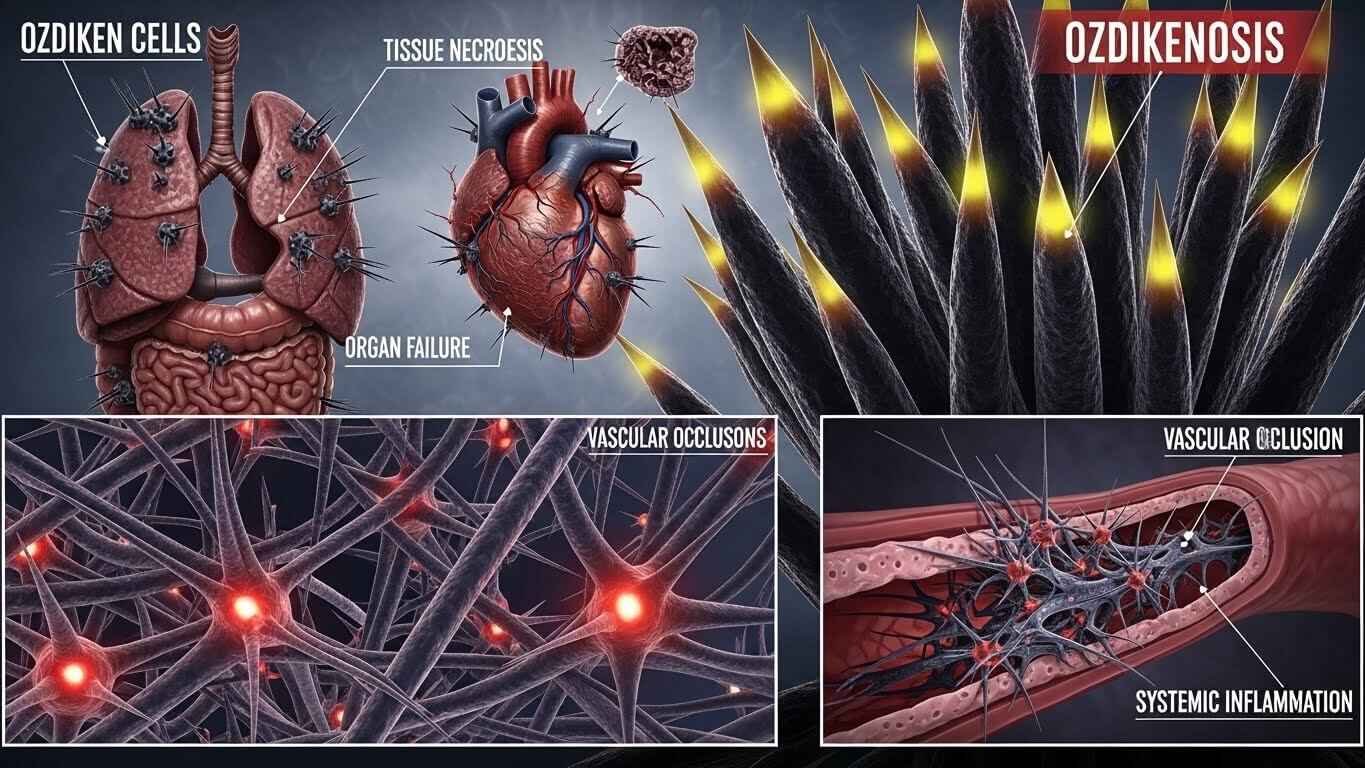
Ozdikenosis has ended up one of the most mentioned fictional ailments circulating through online stories, speculative worlds, and creative writing communities. Although it isn’t discovered in any actual medical textbook, readers always encounter dramatic descriptions of its symptoms, fast deterioration, and, in the end, fatal results. Why don’t characters survive Ozdikenosis? What mechanisms make it so deadly within fictional universes?
A Fictional Disease Grounded in Scientific Realism
Even though Ozdikenosis is entirely imaginary, the way it is described borrows closely from actual medical science. This mixing of delusion and neurological realism makes the disorder plausible enough to rouse worry, urgency, or emotional effect in testimonies.
Writers often describe Ozdikenosis as an illness that affects:
- The body’s energy production
- The immune system
- Multiple organ systems
- The brain and nervous system
Because these are middle lifestyles-helping systems, any disruption—real or fictional—can without problems justify a fatal final result. The greater the grounded the ailment feels, the more severe the narrative becomes.
How Cellular Energy Failure Causes Death
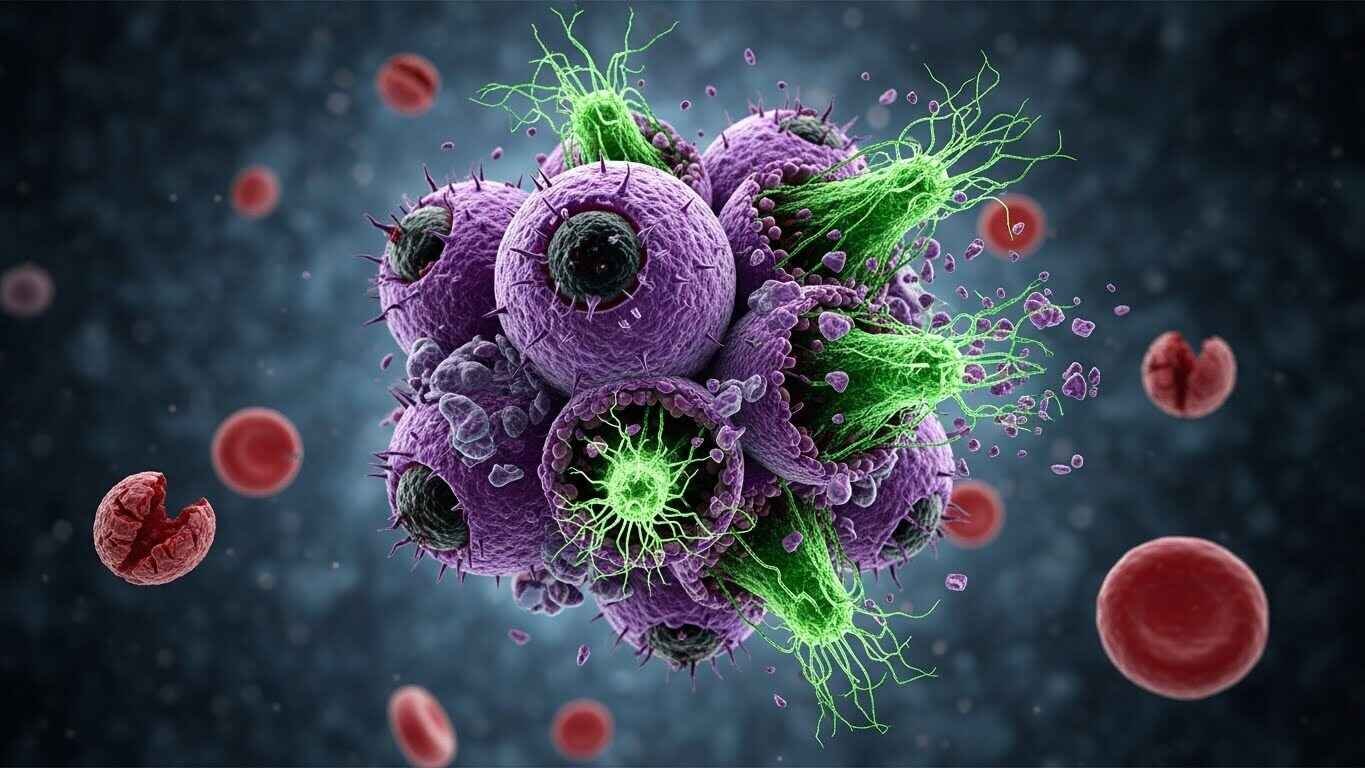
One of the most commonplace causes for why Ozdikenosis kills characters is the idea of mobile strength falling apart. In fictional descriptions, the disease shuts down or corrupts the mitochondria—the parts of cells liable for generating energy.
Without energy:
- The heart cannot maintain a steady rhythm
- The brain cannot regulate itself
- Muscles deteriorate rapidly
- Vital organs begin to fail
This sluggish drain of energy leads to a dramatic downward development that is perfect for storytelling. Characters regularly push themselves to the limit, only to collapse at essential moments—symbolizing the hopeless conflict in opposition to a disorder that drains life from the inside out.
Uncontrolled Immune System Breakdown
Another frequently used narrative mechanism is immune system overreaction. In these versions of Ozdikenosis, the illness triggers the immune system to attack the body itself.
This creates a cycle of worsening inflammation:
- Swelling in organs
- Destruction of healthy cells
- Rapid exhaustion
- Internal organ collapse
In actual existence, situations like sepsis or autoimmune storms can behave in this manner, so fictionalizing it as Ozdikenosis makes the disorder seem terrifying but scientifically grounded. It additionally presents writers with the possibility to depict moments of temporary development, only for the immune system to flare up again and worsen the person’s circumstance.
Systemic Organ Failure as the Terminal Stage
Ozdikenosis is often written as a disease that does not stay isolated to one part of the body. Instead, it spreads until it causes multi-organ system failure.
In fiction, this might include:
- Liver breakdown
- Kidney collapse
- Lung deterioration
- Heart instability
- Blood toxicity
This extensive effect makes survival nearly not possible, which is why characters rarely get better. When a disorder influences every main organ, even advanced fictional remedies can’t oppose its development. This narrative structure ensures high dramatic stakes and emotional intensity.
Neurological Disruption and Impaired Motor Control
Some storytellers emphasize the neurological effects of Ozdikenosis. In those variations, the contamination attacks the brain, changing reminiscence, cognition, and coordination.
Symptoms may include:
- Confusion
- Seizures
- Hallucinations
- Loss of motor control
- Eventual brain shutdown
This adds a psychological measurement, displaying not only the physical deterioration, but also the emotional and mental strain on the person. Writers regularly use this mechanism to illustrate identification erosion, worry, or the sadness of losing one’s experience of self.
The mental decline makes the disorder even more deadly because the individual will become unable to fight, look for assistance, or make rational decisions.
Incurability as an Intentional Story Mechanism
Another reason Ozdikenosis is always fatal is purely narrative: writers choose to make it incurable. This allows the illness to act as a driving force for drama, sacrifice, tension, or moral conflict within the story. A disease without a cure creates:
- Ticking-clock plots
- Emotionally heavy scenes
- Heroic last moments
- Desperate attempts at finding experimental treatments
In a world where everything is fictional, the incurability of Ozdikenosis is a deliberate storytelling tool rather than a scientific reality.
The Narrative Purpose of Fatal Illness in Storytelling
Ozdikenosis serves several narrative purposes:
- Creates emotional stakes: A fatal prognosis heightens the reader’s emotional funding.
- Motivates character improvement: Characters may additionally grow braver, more compassionate, or more decisive.
- Drives plot tension: Characters race towards time, chase clues, or discover hidden truths.
- Adds mystery and fear: A disorder with unknown origins is inherently compelling.
By making Ozdikenosis lethal, writers give their testimonies a deeper meaning and effective emotional arcs.
Conclusion
Ozdikenosis isn’t always a real clinical condition; however, in fictional worlds, it functions as a dramatic, deadly infection designed to test characters and intensify plots. Its imagined mechanisms—cell power disintegration, immune overreaction, multi-organ failure, and neurological decline—replicate real clinical ideas carefully enough to be believable.
Ultimately, characters don’t continue to exist. Ozdikenosis kills you because the sickness is written to be unstoppable, serving as a powerful narrative engine that shapes the emotional and thematic center of the tale.