 By Sundar Pichai
Introduction: Why Do We Lose Track of Time While Playing?
Have you ever opened a game “for just five minutes” and suddenly realized an hour had passed? You’re not alone. From simple puzzle apps to immersive mobile adventures, Addicting Games have a unique ability to pull us in and keep us fully engaged.
In this article, we’ll explore why certain games become so absorbing, the psychological triggers involved, how game designers create engagement loops, and what this means for players today. You’ll also learn about healthy play habits, real-world examples, and modern gaming trends shaping our attention.
Let’s break it down in a simple, human, and trustworthy way.
Understanding What Makes a Game “Addicting”
What Does “Addicting” Actually Mean in Gaming?
In everyday language, “addicting” describes a game that feels compelling, satisfying, and difficult to step away from. It does not imply medical addiction. Instead, it refers to games that:
- Capture attention quickly
- Offer consistent rewards
- Provide just enough challenge
- Make progress feel meaningful
These elements form the foundation of an engaging experience.
The Psychology Behind Highly Engaging Games
1. The Instant Reward Loop
Games often use short reward cycles, such as:
- Collecting coins
- Completing levels
- Unlocking characters
These small wins release dopamine, the neurotransmitter associated with motivation. The more predictable and satisfying the rewards, the more likely players are to continue.
Why This Matters
Humans naturally enjoy tasks with quick feedback. Games that deliver immediate results feel energizing and fun.
2. The Challenge–Skill Balance (The “Flow State”)
Some games hit the sweet spot where difficulty matches the player’s skill level. When this happens, players experience what psychologists call flow—a state of deep focus where time feels irrelevant.
Examples
- Strategy games with progressive difficulty
- Puzzle games with adaptive levels
- Endless-runner apps that gradually speed up
This balance keeps players immersed for long periods.
3. The Power of Progression Systems
Many addictive games use systems such as:
- XP points
- Level tiers
- Achievements
- Daily missions
These elements create a long-term sense of improvement. When progress is visible, players feel motivated to keep going.
4. Social Motivation and Community Interaction
Even single-player games can include:
- Leaderboards
- Sharing options
- Multiplayer modes
Healthy competition or cooperation gives players a sense of belonging.
Why Social Features Work So Well
People naturally compare progress. Seeing friends reach a new level often encourages players to keep pushing.
5. The Appeal of Simplicity
Not all addictive games are complex. Some are extremely simple—yet highly engaging.
Think of:
- Match-three puzzles
- Tapping games
- Minimalist brain teasers
Their low barrier to entry makes them universally appealing. Anyone can play without a tutorial.
Design Strategies That Make Games Hard to Put Down
1. Clean, Familiar Visuals
Games with simple, recognizable design elements reduce cognitive load and help players focus on the experience rather than the interface.
2. Sound Effects and Micro-Feedback
Rewarding sounds reinforce actions—like coin jingles or celebration tones. This immediate feedback keeps players emotionally involved.
3. Clear Goals and Mini-Goals
Breaking objectives into small tasks makes progress feel achievable.
Examples
- “Complete 3 matches”
- “Reach 500 points.”
- “Collect 10 stars.”
These goals keep motivation high without overwhelming the player.
4. Random Rewards and Surprise Elements
Randomized systems—like loot boxes or mystery bonuses—create excitement without predictability.
Humans are naturally curious, so surprise rewards add a layer of anticipation.
5. Personalized Difficulty
Many modern games adjust difficulty based on player behavior.
This ensures the experience remains enjoyable and engaging for all skill levels.
Real-World Examples of Addicting Game Mechanics
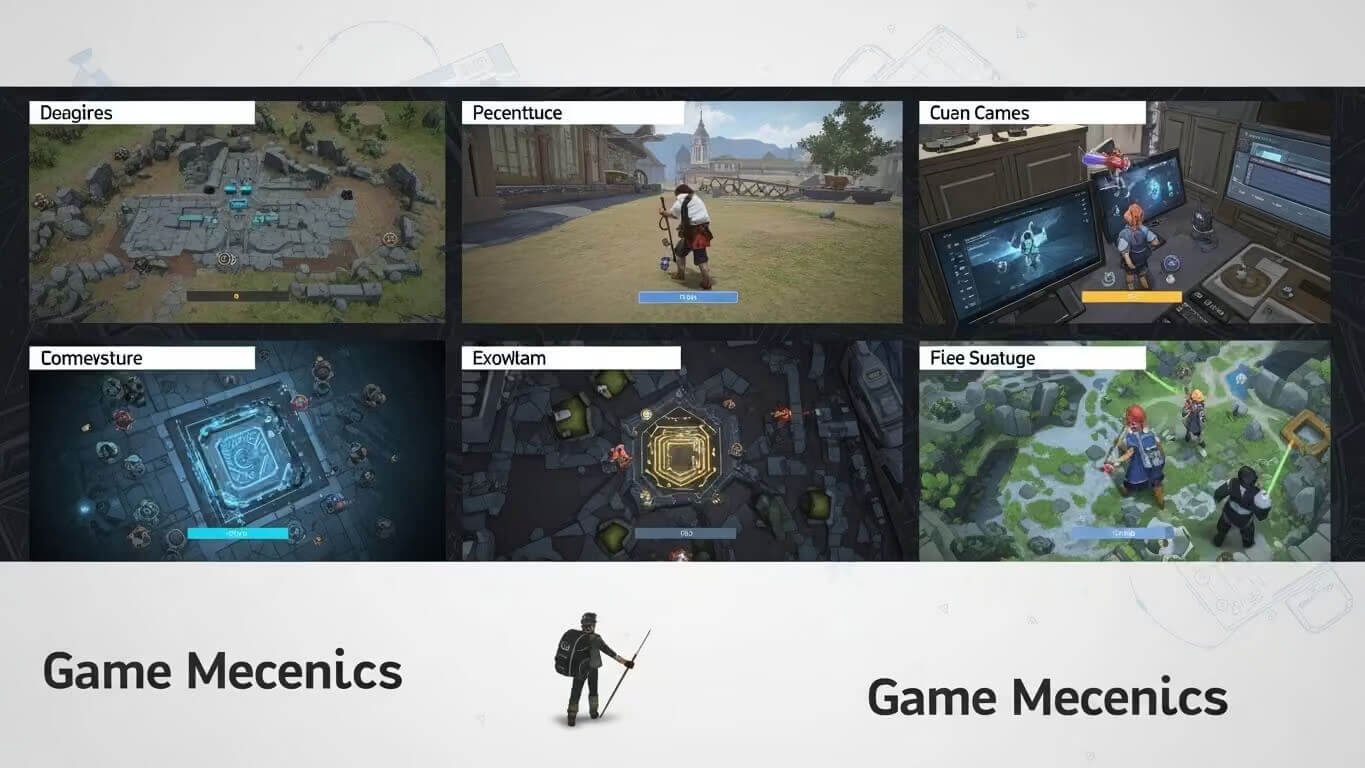
1. Endless Runner Games
These games gradually increase speed and introduce new obstacles, keeping players constantly alert.
2. Match-Three Puzzles
They mix:
- Color-based patterns
- Problem-solving
- Luck
These elements blend strategy and chance, making the game unpredictable and fun.
3. Survival and Sandbox Games
Games that offer open-world exploration create personalization and creative freedom, allowing players to set their own goals.
Why are Addicting Games so Popular Today
1. Accessibility
Most addictive games are available on smartphones, so people can play anytime—during commutes, breaks, or downtime.
2. Stress Relief
Quick gameplay sessions provide a mental reset and help players unwind.
3. Micro-Dopamine Boosts
Small victories feel rewarding, especially during busy or stressful days.
4. Free-to-Play Options
Low entry barriers encourage more people to try new games without commitment.
The Benefits of Playing Addicting Games

Cognitive Development
Some games improve:
- Memory
- Attention
- Problem-solving skills
Stress Management
Simple games help players relax and regain focus.
Hand–Eye Coordination
Action-based games train reflexes and responsiveness.
Potential Downsides to Consider
1. Screen Fatigue
Long sessions may cause eye strain or tiredness.
2. Reduced Productivity
Playing during work or study hours can affect focus.
3. Impulse Engagement
Games with random rewards may encourage repeated checking.
Healthy Recommendation
Setting daily limits or scheduled playtime helps maintain balance.
How to Enjoy Addicting Games Responsibly
1. Set Time Boundaries
Use timers or app limits.
2. Choose Games That Offer Learning Value
Puzzle-solving games can be both fun and mentally stimulating.
3. Take Short Breaks
Five-minute pauses help reduce fatigue.
Conclusion: Why We Keep Going Back to Addicting Games
Addicting games resonate because they blend psychology, design, simplicity, and fun into a seamless experience. They reward progress, challenge our minds, and give us a sense of accomplishment—even in short sessions.
Whether you’re unwinding, competing, or exploring, these games offer a quick escape that fits perfectly into modern life. With balanced habits, players can enjoy them without sacrificing productivity or well-being.
Frequently Asked Questions
1. What makes a game truly addicting?
A combination of rewards, progression, challenge, and easy engagement makes a game feel compelling and satisfying.
2. Are addicting games harmful?
Not inherently. They can be enjoyable and beneficial when played in moderation.
3. Why do mobile games feel so addictive?
Mobile games offer quick rewards, simple mechanics, and instant access—making them easy to pick up anytime.
4. Do addicting games improve the brain?
Some games enhance memory, focus, and decision-making, depending on gameplay type.
5. How can I control my gaming time?
Set clear boundaries, use screen-time tools, and take regular breaks to maintain balance.