 By Books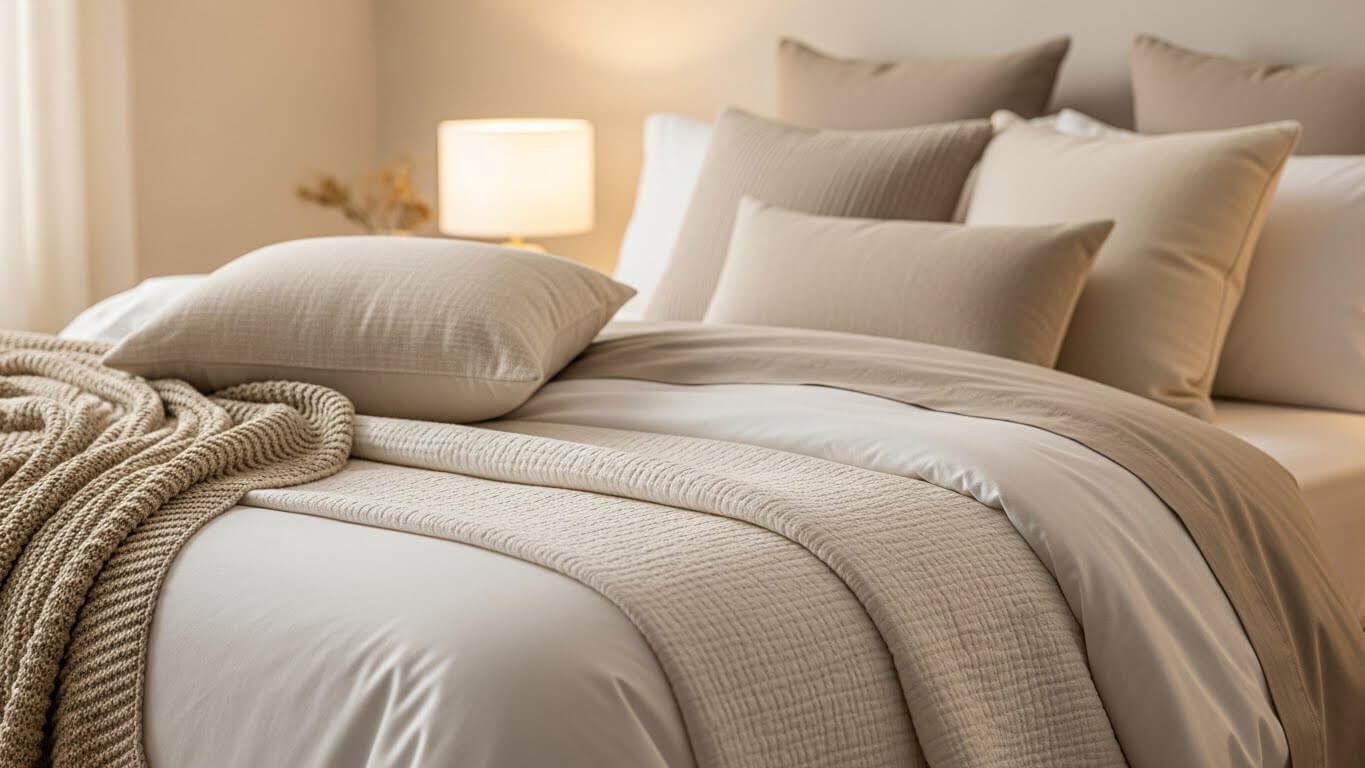
Creating a bed that is really warm and comfortable is a skill that exceeds the simple addition of blankets. It must be a careful selection of various fabrics, layering one over the other with the intention of trapping heat, controlling moisture, and offering different comfort throughout the night.
Proper bedding layering can enrich the heat insulation of various materials, such as natural wools or breathable cottons, incorporating this as a personalised sleep retreat.
The added warmth in winter months can be very high, and it can also be that much easier for your body temperature adjustment process, so that you can be warm without sweating. The mastery of this skill can change the whole sleeping experience and can be done with style and without a high cost if you can get trendy yet affordable basics to lay the groundwork for your plan, like Cheap Duvet Covers Uk.
Use a High-Quality Mattress Topper
The layer of a warm bed does not begin with your sheets but rather with the one that is immediately above your mattress. A quality mattress topper is very important as it adds comfort and crucial insulation. A topper made from natural materials-wool or feather and down-is perfect for warmth.
Wool is especially great because it is a naturally temperature-controlling material; it absorbs moisture, and at the same time, it traps warm air. A thick cushioned topper will also prevent cold air from seeping through the mattress itself. This base layer acts as a soft, warming barrier that is the first line of defence against the cold; right away, the entire bed gets warmer and more pleasant.
Use a Wool or Thermal Underblanket
Place a wool underblanket-also known as a mattress pad-between your mattress and bottom sheet for top insulation. Thin and felted, this layer does wonders in trapping the heat your body generates and reflecting it toward you. The natural fibres of wool are filled with small air pockets that do a great job of keeping you warm without weight and allow for great breathability to prevent overheating.
Those thermal underblankets made from some kind of synthetic fleece-like material can also be extremely effective. This thin, usually forgotten layer acts like a thermal lining to your bed, raising the base temperature of your sleep surface, often reducing or even eliminating the need for heavier top layers.
Choosing the Perfect Top Layer
Duvet Cover or Bedspread: Your top layer is both functional and aesthetic. A soft, brushed cotton duvet cover adds another layer of warmth and texture. A quilted bedspread or a heavyweight coverlet would add significant insulation and style for a luxurious finish.
This is where you can inject colour and pattern affordably. Using a decorative top layer over a plain duvet cover allows you to change the bed’s look seasonally without replacing expensive duvets. Ensure this final layer is made from a warm, tactile fabric to provide that final cocooning feel when you first get into bed.
Add a Weighted Blanket for Extra Warmth and Comfort
A weighted blanket can provide an excellent addition for warmth and relaxation-the deep pressure stimulation of distributed weight can promote calm, while the blanket itself acts as an excellent insulating layer. Place it either between your duvet and top sheet or on top of your made bed.
A glass beafilled with a removable cover made of a warm material, like minky fleece or Sherpa, is a good option. It helps to keep the other layers in place, thereby limiting drafts and giving a microclimate of retained warmth around the body.
Complete with Pillows and a Bed Throw
Finish your bed with pillows that support proper alignment. A comfortable neck and shoulders are important for restful sleep. Use pillow protectors and cases in warm fabrics like flannel. Finally, drape a decorative bed throw across the foot of the bed.
This serves many purposes: it adds an extra layer of warmth that’s easy to pull up, protects your duvet cover from wear, and brings in a great, visually inviting, textured look into the room. A chunky knit or faux fur throw adds instant cosiness and is just the finishing touch on how to make a beautifully layered, warm bed.
Conclusion
Making a bed both warm and comfortable is an exercise in textile science and personal comfort. By strategically layering, from an insulating underblanket, sheets to keep one warm, a versatile duvet system, to an adjustable blanket that becomes an active participant in retaining heat without giving away ease of temperature regulation. This is far better and can be more accommodating than using just one heavy covering.
Putting thought into each stratum from the base to the finishing throw means turning your bed into a haven of warmth that’s customisable, ensuring deep and restorative sleep even through the coldest of nights.