 By Sundar Pichai
Introduction
Scrolling through social media, you’ve likely seen influencers swishing coconut oil around their mouths, claiming it whitens teeth, cures bad breath, and eliminates cavities. Oil pulling—an ancient Ayurvedic practice—has exploded in popularity, with millions of people adopting this daily ritual. However, the American Dental Association does not endorse oil pulling as a reliable dental hygiene practice, and several documented cases reveal potential health consequences that wellness influencers rarely mention.
Research published in BMC Pulmonary Medicine documented two cases of lipoid pneumonia directly caused by repeated sesame oil pulling, a rare but serious lung condition that occurs when oil enters the respiratory system. While coconut oil pulling dangers may seem minimal compared to its touted benefits, understanding the real risks—from aspiration pneumonia to allergic reactions—is essential before incorporating this practice into your routine.
This evidence-based guide examines seven critical coconut oil pulling dangers that dental professionals and medical researchers have identified, explains why the American Dental Association advises caution, and provides safer alternatives for achieving genuine oral health improvements. Whether you’re considering oil pulling or already practicing it, these insights will help you make informed decisions about your dental care.
Understanding Oil Pulling: What It Is and Why People Try It
The Ancient Practice Making Modern Headlines
Oil pulling originated in traditional Ayurvedic medicine approximately 3,000-5,000 years ago. The practice is mentioned in the Ayurvedic text Charaka Samhita, where it’s called “kavala” or “gandusha,” and was claimed to cure about 30 systemic diseases ranging from headaches to diabetes. The technique involves swishing one tablespoon of edible oil—typically coconut, sesame, or sunflower oil—around the mouth for 5-20 minutes, usually first thing in the morning on an empty stomach.
Modern advocates claim oil pulling can whiten teeth, freshen breath, reduce plaque, prevent cavities, and even detoxify the entire body by “pulling” toxins through the oral tissues. Social media platforms have amplified these claims, with wellness influencers showcasing before-and-after photos and attributing various health improvements to the practice.
What Science Actually Says
A 2022 meta-analysis found that oil pulling reduced salivary bacterial colony count compared to control groups, suggesting some antimicrobial benefit. Additionally, a 2020 study indicated that oil pulling with coconut oil can reduce plaque formation and help prevent plaque-induced gingivitis. However, researchers consistently note that these studies are small-scale, lack rigorous controls, and don’t provide sufficient evidence to recommend oil pulling as a primary oral hygiene practice.
The American Dental Association’s position remains clear: there is insufficient research to support oil pulling as an effective dental care method, and it should never replace brushing with fluoride toothpaste and daily flossing.
Danger #1: Lipoid Pneumonia from Aspiration
The Most Serious Coconut Oil Pulling Danger
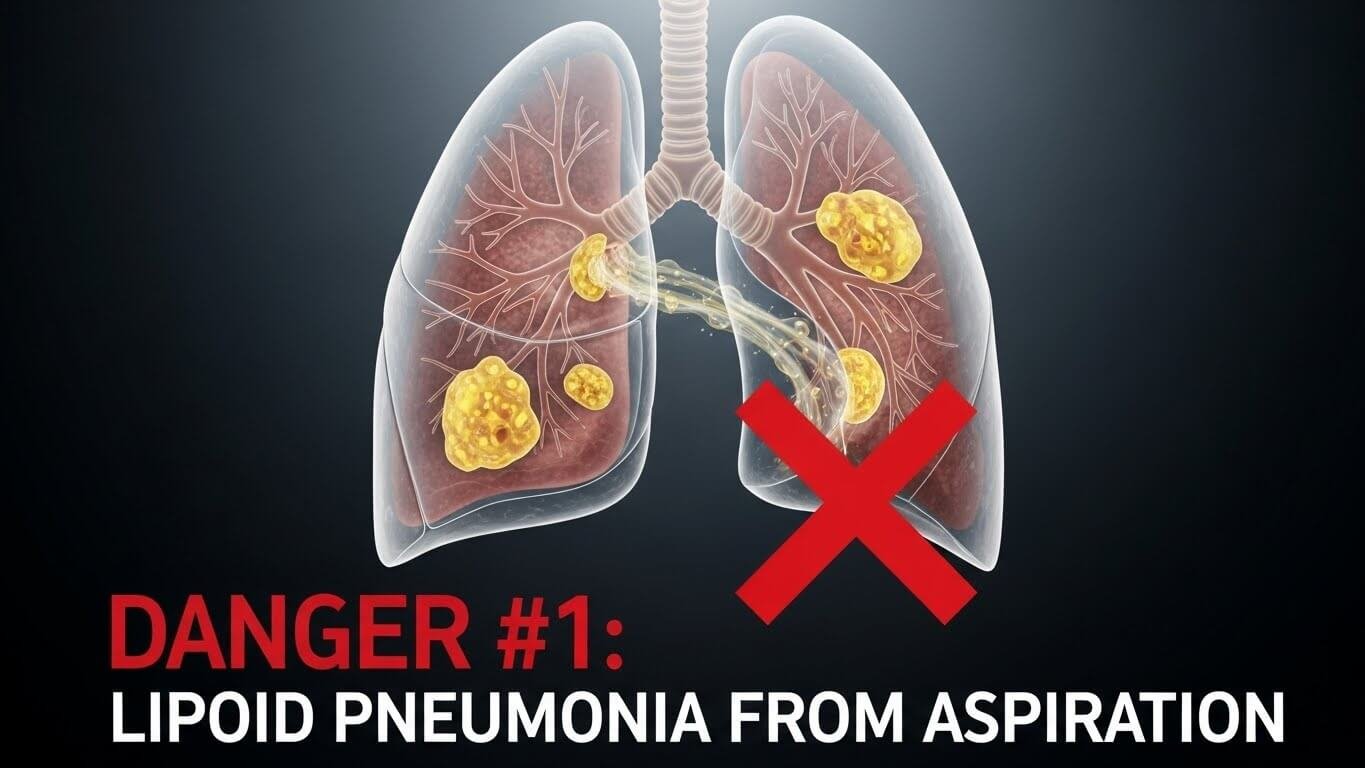
The most alarming risk associated with oil pulling is lipoid pneumonia—a rare but potentially serious lung condition that occurs when oil enters the airways and lungs. A study published in BMC Pulmonary Medicine reported two cases of exogenous lipoid pneumonia caused by repeated sesame oil pulling, with both patients experiencing dry cough and breathing difficulties.
How does this happen? During the 15-20 minute swishing process, small amounts of oil can be inadvertently inhaled or aspirated, especially if someone coughs, laughs, or breathes deeply through their mouth. Once oil reaches the lungs, it triggers an inflammatory response as the body tries to break down the foreign lipid material.
Symptoms and Risk Factors
Approximately 40% of lipoid pneumonia patients have only mild symptoms or no symptoms at all, making the condition difficult to diagnose and often discovered only incidentally. When symptoms do appear, they include persistent dry cough, shortness of breath, chest pain, and fatigue.
People at higher risk for aspiration include:
- Young children who haven’t mastered controlled swishing
- Elderly individuals with swallowing difficulties
- Anyone with neurological conditions affecting swallowing coordination
- People who have undergone throat or mouth surgery
- Individuals with acid reflux or GERD
Medical Treatment Requirements
Treatment for lipoid pneumonia involves stopping use of the fatty substance immediately, and corticosteroids may be helpful depending on severity. Severe cases require hospitalization, and some patients need whole lung lavage—a procedure that physically removes fat from the lungs. While most patients recover fully, more severe cases may result in lung fibrosis and ongoing respiratory symptoms.
Danger #2: False Security Leading to Neglected Dental Care

When Alternative Practices Replace Proven Methods
Perhaps the most widespread danger of coconut oil pulling isn’t the practice itself, but the belief that it can replace conventional dental hygiene. Many social media posts suggest oil pulling alone can maintain oral health, leading people to reduce or eliminate regular brushing and flossing.
This represents what dental professionals call “complacency risk”—the dangerous assumption that an alternative therapy provides complete protection. The truth is that oil pulling, even if beneficial, addresses only bacteria reduction. It does not:
- Remove food particles stuck between teeth
- Provide fluoride to strengthen enamel
- Physically scrub away plaque buildup
- Clean below the gum line where periodontal disease develops
The Consequences of Inadequate Oral Care
Relying solely on oil pulling while skipping proper dental hygiene leads to preventable problems, including cavities, gum disease, tooth decay, and eventual tooth loss. These conditions require professional dental treatment—far more expensive and invasive than simply maintaining a proper brushing and flossing routine.
The American Dental Association does not consider oil pulling to be a reliable dental hygiene practice or a replacement for brushing and flossing. Dental professionals consistently emphasize that any alternative therapy must supplement—not substitute—evidence-based oral care.
Establishing a Proper Oral Health Foundation
According to dental experts, maintaining optimal oral health requires:
- Brushing twice daily with fluoride toothpaste (morning and night)
- Flossing once daily to remove plaque between teeth
- Regular dental check-ups every six months
- Professional cleanings to address calculus buildup
- A balanced diet low in sugary foods and beverages
Oil pulling may serve as a supplementary practice for those interested in exploring complementary therapies, but it must work alongside—not instead of—these established protocols.
Danger #3: Choking and Swallowing Risks

When Swishing Goes Wrong
Choking is one of the primary coconut oil pulling dangers, particularly when you swallow the oil—if you choke on the oil, it may enter your lungs and increase the chance of lipoid pneumonia. Unlike mouthwash, which people typically swish for 30-60 seconds, oil pulling requires maintaining oil in the mouth for 15-20 minutes. This extended duration increases the likelihood of accidental swallowing, especially for:
- Children experimenting with the practice
- People are distracted by other morning activities
- Individuals with sensitive gag reflexes
- Anyone experiencing sudden coughing or sneezing
What Happens If You Swallow Oil Pulling Oil
If you accidentally swallow a small amount of coconut oil during oil pulling, it generally poses no serious health risks, but you might experience mild stomach discomfort or nausea due to the bacteria and toxins that were pulled from your mouth. The oil has spent 15-20 minutes collecting bacteria, dead cells, and other oral debris, making it unsuitable for ingestion.
Larger amounts of swallowed oil can cause more significant gastrointestinal distress, including diarrhea, cramping, and nausea that may last several hours. The high fat content can also trigger symptoms in people with gallbladder issues or fat malabsorption conditions.
Safety Precautions to Prevent Choking
To minimize choking and swallowing risks:
- Start with just one teaspoon of oil instead of a full tablespoon
- Reduce swishing time to 5-10 minutes until you build tolerance
- Remain still and focused during the practice—avoid multitasking
- Never attempt oil pulling while lying down
- Keep children away from this practice entirely due to choking hazards
- Stop immediately if you feel the urge to cough or gag
Danger #4: Allergic Reactions to Coconut Oil
Coconut Allergies Are More Common Than You Think
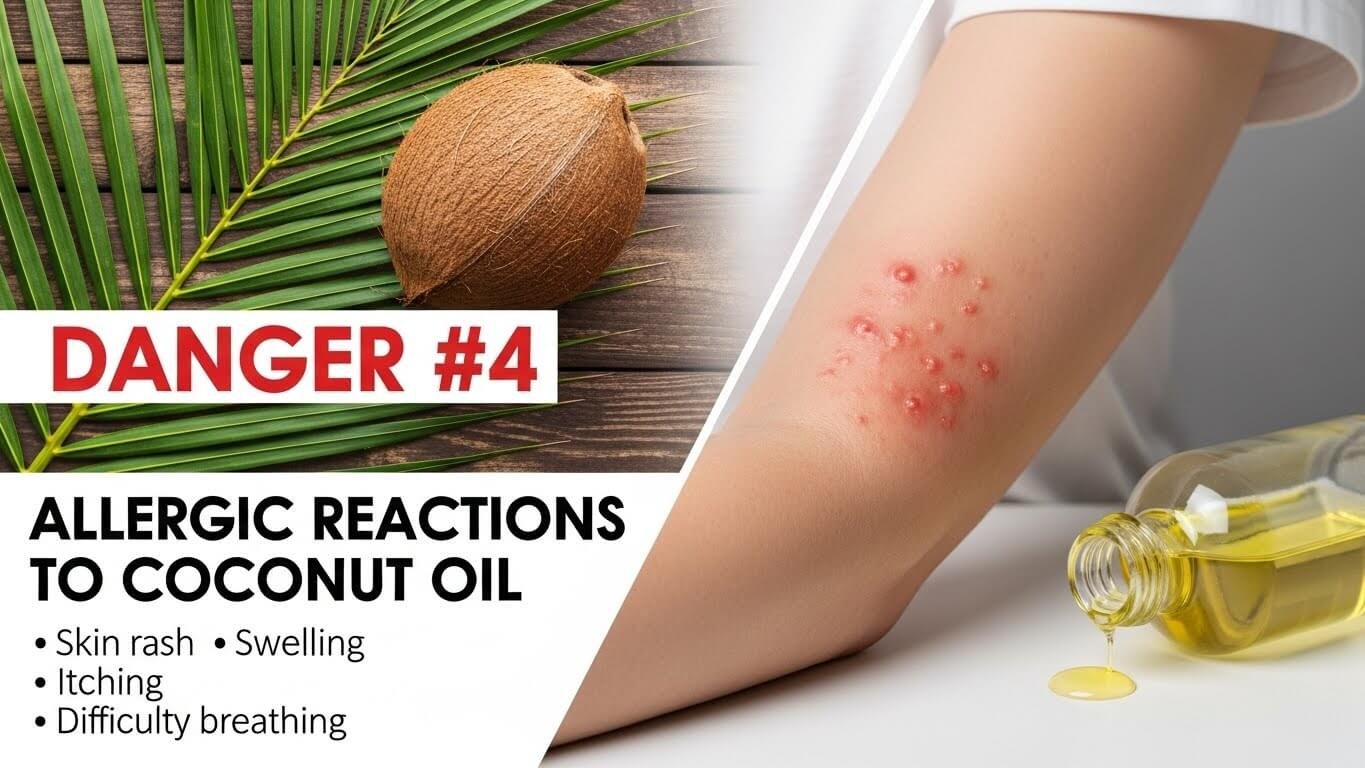
Some people may experience an allergic reaction to the oil used, particularly sesame or coconut oil. While coconut allergies are less common than nut allergies, they affect approximately 0.5-1% of the population and can cause reactions ranging from mild to severe.
Coconut allergy symptoms can include:
- Oral itching, tingling, or swelling (oral allergy syndrome)
- Hives or skin rashes
- Difficulty swallowing or throat tightness
- Nausea, vomiting, or abdominal cramping
- In rare cases, anaphylaxis—a life-threatening reaction requiring immediate medical attention
Cross-Reactivity and Hidden Allergies
Some individuals allergic to tree nuts may experience cross-reactivity with coconut, even though coconuts are technically drupes (stone fruits) rather than true nuts. Additionally, people with latex allergies sometimes develop reactions to coconut due to similar proteins—a phenomenon called latex-fruit syndrome.
If you’ve never consumed coconut oil before, performing a patch test before oil pulling is prudent. Apply a small amount of coconut oil to the inside of your wrist or elbow, wait 24 hours, and check for redness, itching, or swelling. If any reaction occurs, avoid using coconut oil for oil pulling or any other purpose.
Alternative Oils for Those with Coconut Allergies
If you’re allergic to coconut but still want to try oil pulling, consider these alternatives:
- Sesame oil (traditional Ayurvedic choice, but check for sesame allergy)
- Sunflower oil (good option for multiple allergies)
- Extra virgin olive oil (readily available and generally well-tolerated)
However, remember that if you notice irritation or discomfort, stop practicing oil pulling and consult a healthcare professional.
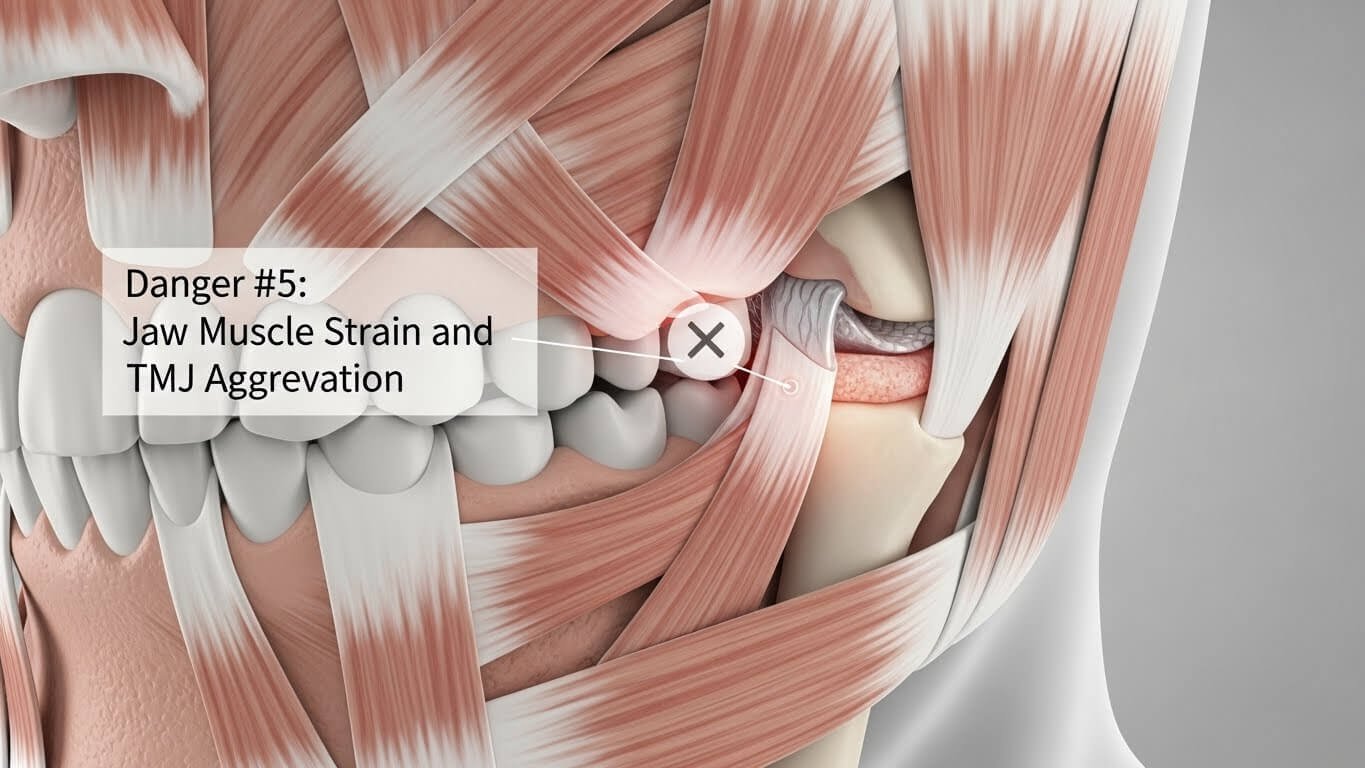
Danger #5: Jaw Muscle Strain and TMJ Aggravation
The Physical Toll of Extended Swishing
At first, putting oil in your mouth might make you feel a little nauseous, and these side effects tend to diminish as you become used to oil pulling—for example, the sore jaw and headache may be caused by the rigorous motion of swishing the oil. Swishing anything for 15-20 minutes straight represents vigorous exercise for jaw muscles unaccustomed to sustained movement.
Symptoms of jaw strain from oil pulling include:
- Aching jaw muscles (masseter and temporalis muscles)
- Temporal headaches radiating from jaw tension
- Difficulty fully opening the mouth after practice
- Clicking or popping sounds in the jaw joint
- Increased sensitivity when chewing regular meals
TMJ Disorder Complications
For people with temporomandibular joint (TMJ) disorders, the repetitive jaw motion required for oil pulling can exacerbate existing problems. TMJ affects the joint connecting your jawbone to your skull, and symptoms include jaw pain, clicking sounds, limited jaw movement, and headaches.
Oil pulling’s prolonged swishing motion places significant stress on this already compromised joint, potentially triggering TMJ flare-ups that last for days or weeks. If you have diagnosed with TMJ disorder, consult your dentist before attempting oil pulling.
Reducing Jaw Strain
If you experience jaw discomfort:
- Reduce swishing duration to 5-10 minutes
- Use gentle, relaxed swishing rather than vigorous motion
- Take breaks every few minutes to rest your jaw
- Perform jaw stretches before and after oil pulling
- Consider discontinuing the practice if pain persists beyond a few days
Danger #6: Dry Mouth and Altered Taste Perception

Unexpected Side Effects on Oral Sensations
Coconut oil pulling may lead to dry mouth, increased thirst, sore jaw, headaches, and loss of taste. While these effects are generally temporary, they can significantly impact quality of life and indicate that the practice isn’t suitable for everyone.
Why Dry Mouth Develops
Paradoxically, a practice meant to improve oral health can sometimes reduce saliva production. Several mechanisms may explain this:
- Extended swishing may temporarily fatigue salivary glands temporarily
- The oil coating may interfere with normal moisture perception
- Some people naturally produce less saliva during concentrated jaw movements
- Dehydration from not drinking water during the 20-minute practice
Dry mouth (xerostomia) isn’t merely uncomfortable—it increases cavity risk because saliva neutralizes acids, washes away food particles, and provides minerals that strengthen tooth enamel. Chronic dry mouth can lead to the very dental problems that oil pulling claims to prevent.
Taste Changes and Sensory Alterations
Some oil pulling practitioners report temporary taste alterations, including a metallic taste, reduced ability to taste foods, or heightened sensitivity to certain flavors. These changes typically resolve within hours but can be disconcerting.
If you experience persistent dry mouth or taste changes lasting more than a day after oil pulling, discontinue the practice and consult your dentist. These symptoms may indicate an underlying issue requiring professional attention.
Danger #7: Misleading Health Claims and Unverified Benefits

The Social Media Misinformation Problem
Perhaps the most insidious danger of coconut oil pulling is the proliferation of exaggerated, unscientific claims that mislead people about what the practice can actually accomplish. Social media influencers—often without medical credentials—promote oil pulling as a miracle cure for conditions far beyond oral health.
Common unsubstantiated claims include:
- Curing cavities or reversing tooth decay
- Whitening teeth multiple shades
- Eliminating chronic diseases like diabetes or arthritis
- Detoxifying the liver, kidneys, and entire body
- Treating systemic infections
- Preventing heart disease
What Research Actually Shows
While a 2020 study showed that oil pulling with coconut oil can reduce plaque formation and help prevent plaque-induced gingivitis, and a 2022 meta-analysis found reduced bacterial counts, researchers consistently note limitations. A 2023 systematic review concluded that possible benefits include improving gum health and reducing Streptococcus mutans bacteria, but highlighted there was a low level of certainty in the evidence.
Importantly, no conclusive scientific evidence has confirmed that oil pulling can whiten teeth, despite widespread claims. Any perceived whitening likely results from oil removing surface stains rather than chemically altering tooth color.
The Danger of Delayed Professional Care
When people believe oil pulling can treat serious dental problems, they may delay seeking professional care for conditions requiring immediate intervention. A cavity won’t heal through oil pulling—it requires professional filling. Gum disease won’t reverse through swishing alone—it needs scaling, root planing, and sometimes antibiotics or surgery.
This delay allows treatable conditions to progress into more serious, expensive, and painful problems. Some dental issues, when left untreated, can lead to systemic health complications, including heart disease and diabetes complications, as oral bacteria enter the bloodstream through diseased gums.
The American Dental Association’s Official Position
The ADA advised against the practice as a substitute for recommended dental hygiene routines such as daily tooth brushing with fluoride-containing toothpaste. Dr. Ruchi Sahota, consumer advisor spokesperson for the ADA, has specifically addressed the coconut oil pulling trend, explaining that there is a lack of evidence demonstrating coconut oil’s efficacy at improving dental health, reducing cavities, or teeth whitening.
The dental community’s concerns center on three main issues:
- Insufficient evidence: Most oil pulling studies involve small sample sizes, lack proper controls, and don’t follow participants long enough to assess true oral health outcomes
- Risk of substitution: Patients may replace proven dental care with unproven alternative therapies
- Overstated claims: Marketing often promises benefits far beyond what research supports
Dental professionals don’t necessarily oppose oil pulling as a supplementary practice for interested patients, but they emphasize it must never replace brushing, flossing, and professional dental care.
Safer Alternatives for Oral Health

Evidence-Based Practices That Actually Work
Instead of relying on coconut oil pulling, consider these scientifically validated approaches:
Fluoride Toothpaste: Decades of research confirm fluoride’s effectiveness at preventing cavities by strengthening tooth enamel and reversing early decay. The American Dental Association recommends brushing twice daily with fluoride toothpaste.
Antiseptic Mouthwash: One study noted that oil pulling with coconut oil was as effective as chlorhexidine, a prescription mouthwash, in the reduction of Streptococcus mutans—but chlorhexidine works in just 30-60 seconds compared to oil pulling’s 20 minutes. Over-the-counter mouthwashes containing cetylpyridinium chloride or essential oils also reduce bacteria effectively.
Interdental Cleaners: Flossing, interdental brushes, and water flossers remove plaque and food particles from between teeth where toothbrushes can’t reach. This prevents the majority of cavities and gum disease.
Professional Dental Care: Regular check-ups allow dentists to detect problems early when they’re easiest and least expensive to treat. Professional cleanings remove calculus (hardened plaque) that home care can’t eliminate.
If You Still Want to Try Oil Pulling Safely
For those interested in adding oil pulling to an already complete oral hygiene routine:
- Use it as a supplement only, never as a replacement
- Start with 5 minutes and gradually increase duration if comfortable
- Never exceed 20 minutes of swishing
- Use only one teaspoon of oil to minimize choking risk
- Remain upright and focused during the practice
- Spit oil into a trash can (not sink, as it can clog drains)
- Rinse your mouth thoroughly with warm water afterward
- Brush teeth immediately after oil pulling
- Discontinue if you experience any adverse effects
- Consult your dentist before starting, especially if you have existing oral health issues
Conclusion: Making Informed Decisions About Your Oral Health
Coconut oil pulling dangers extend beyond the rare but serious risk of lipoid pneumonia to include false security, neglected dental care, allergic reactions, jaw strain, and misleading health claims. While some limited research suggests modest antimicrobial benefits, the American Dental Association has made clear that there is insufficient evidence to recommend oil pulling, and it should never replace proven dental hygiene practices.
If you’re drawn to oil pulling because social media influencers make it look effortless and miraculous, remember that their personal testimonials don’t constitute scientific evidence. The plural of anecdote is not data, and what worked for an influencer may not work—or may even harm—your oral health.
Your teeth and gums deserve care based on decades of rigorous research, not trending wellness practices with minimal scientific backing. Continue brushing twice daily with fluoride toothpaste, flossing once daily, maintaining a balanced diet, and visiting your dentist regularly for check-ups and cleanings.
Take Action: Before experimenting with any alternative dental practice, schedule a consultation with your dentist to discuss your oral health goals. They can provide personalized recommendations based on your specific dental needs, risk factors, and existing conditions. Your smile—and your overall health—are too important to risk on unproven trends.
Frequently Asked Questions
Is coconut oil pulling safe for everyone?
No. Oil pulling carries specific risks for young children, elderly individuals, people with swallowing difficulties, those with coconut allergies, and anyone at increased aspiration risk. Even for healthy adults, the practice should complement—not replace—regular dental care. Always consult your dentist before starting, particularly if you have existing health conditions or take medications.
How long does it take to see results from oil pulling?
Studies examining oil pulling typically last 2-4 weeks before measuring bacterial reduction or plaque changes. However, expecting dramatic results like cavity reversal or significant teeth whitening is unrealistic, as research doesn’t support these claims. Any benefits you experience will likely be subtle and related to temporary bacterial reduction rather than structural dental improvements.
Can oil pulling damage dental work like fillings or crowns?
Oil pulling is generally safe for dental fillings, crowns, and other restorations, working by drawing out bacteria and toxins without damaging dental materials. However, if you experience discomfort or notice changes in your dental work, consult your dentist immediately, as loosening restorations could indicate underlying problems unrelated to oil pulling.
What should I do if I accidentally swallow oil while pulling?
If you swallow a small amount accidentally, don’t panic. Generally, this poses no serious health risks, but you might experience mild stomach discomfort or nausea due to the bacteria and toxins pulled from your mouth. Drink water and monitor for symptoms. If you experience severe abdominal pain, persistent vomiting, or difficulty breathing, seek medical attention immediately, as these could indicate aspiration into the lungs.
Does coconut oil pulling actually whiten teeth?
No conclusive scientific evidence has confirmed that oil pulling can whiten teeth. While some people report slight improvements, these likely result from oil removing surface stains rather than changing tooth color. For genuine whitening results, consider professionally supervised treatments using hydrogen peroxide or carbamide peroxide, which have extensive safety and efficacy research supporting their use.