 By Sundar Pichai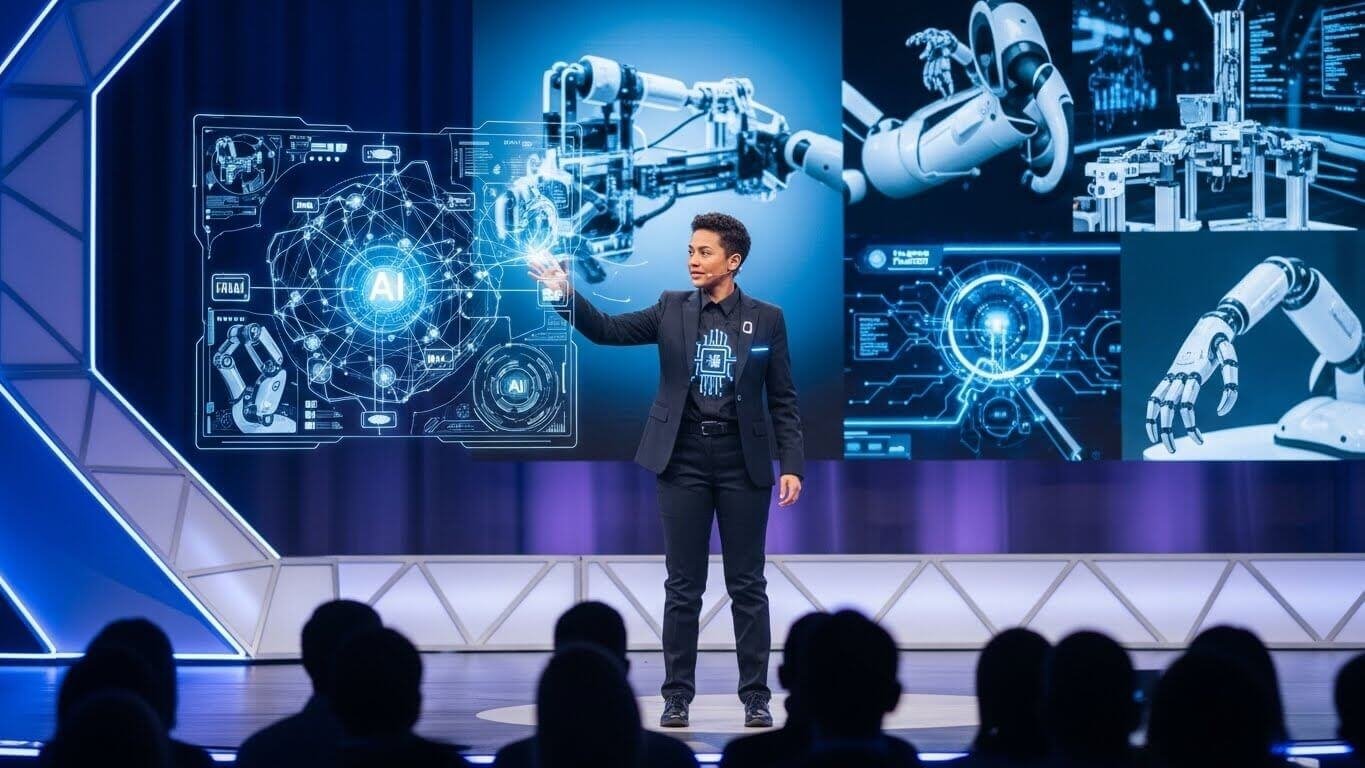
Introduction: The Cutting Edge of Technology – Insights from the Tech Crusader
In 2026, AI and robotics are no longer futuristic concepts — they are revolutionizing industries and transforming the way we live and work. Tech Crusader, a thought leader in technology innovation, is at the forefront of unveiling how these advancements will shape the future. From AI-driven robots in manufacturing to autonomous vehicles changing the transportation landscape, the impact of emerging technologies is undeniable.
But what does the future hold? In this article, we’ll explore Tech Crusader’s take on the future of AI, robotics, and more. We’ll dive into their perspectives on emerging technologies, from quantum computing to edge AI, and explore how these innovations are set to disrupt industries, create new opportunities, and raise important ethical considerations.
Definition & Core Concept: What is a Tech Crusader?

Who is the Tech Crusader?
A Tech Crusader is a pioneer in exploring the potential of emerging technologies, advocating for their responsible adoption, and solving real-world problems. These individuals or organizations push boundaries, lead discussions, and guide industries through the complex challenges and opportunities posed by new technologies. In essence, they are thought leaders and advocates for technological innovation, often shaping public discourse and policy.
Tech Crusader’s Focus Areas
At the core of the Tech Crusader’s mission are three key focus areas:
- Artificial Intelligence (AI): Leveraging machine learning and deep learning to solve complex problems, automate processes, and drive efficiencies.
- Robotics: Exploring the integration of AI into machines to improve productivity and revolutionize industries like manufacturing, healthcare, and logistics.
- Emerging Technologies: Encompassing everything from quantum computing to blockchain, Tech Crusaders highlight how these technologies will define future industry standards.
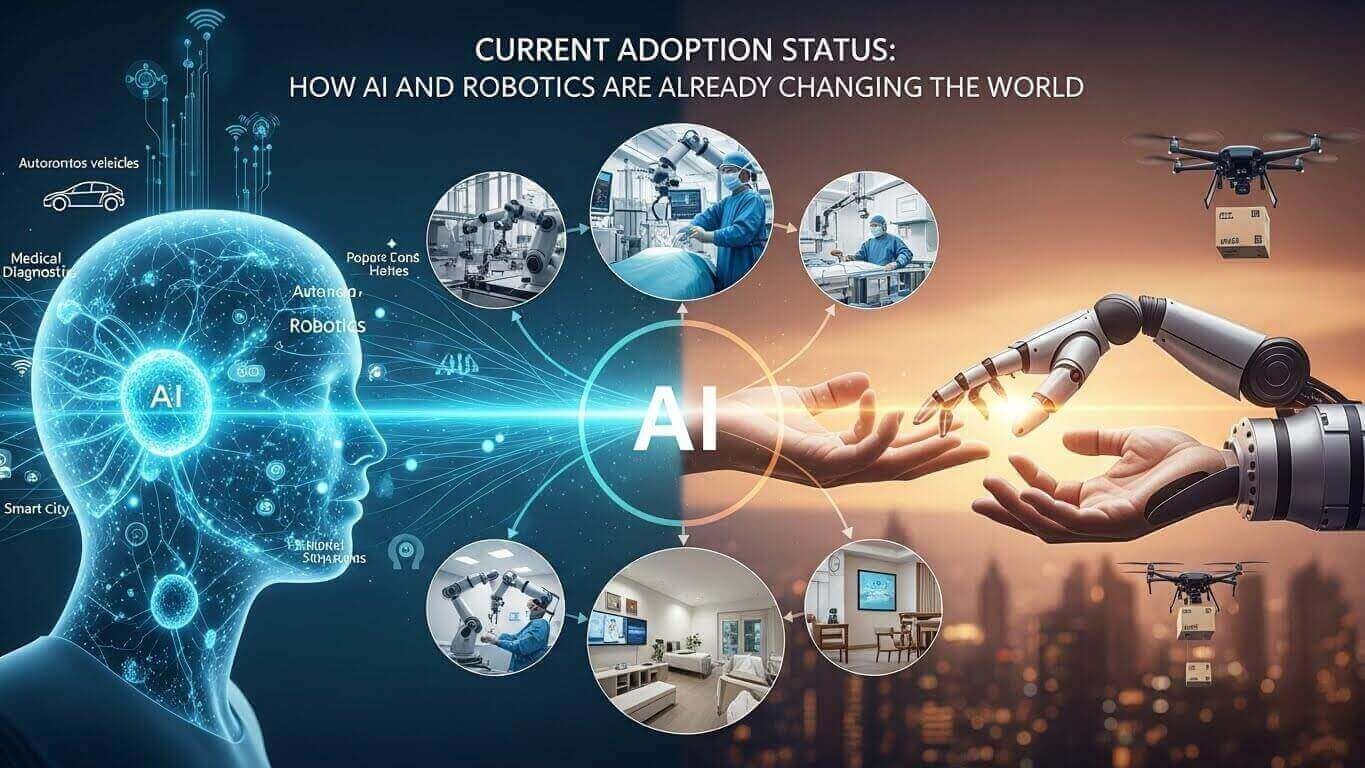
Current Adoption Status: How AI and Robotics Are Already Changing the World
AI’s Growing Influence
AI is already playing a pivotal role across various industries, transforming sectors like healthcare, retail, finance, and transportation. Some notable real-world applications include:
- Healthcare: AI-driven diagnostic tools and personalized medicine are revolutionizing patient care. Companies like IBM Watson Health and Google Health are leading the way in using AI to analyze medical data and assist healthcare professionals in making critical decisions.
- Retail: AI-powered chatbots, recommendation engines, and inventory management systems are improving customer experiences and optimizing supply chains for companies like Amazon and Walmart.
- Automotive: AI in autonomous vehicles is reshaping transportation. Companies like Tesla and Waymo are leading the race toward self-driving cars.
Robotics: Enhancing Efficiency Across Industries
Robotics is another area where significant advancements are being made. AI-integrated robots are increasingly common in industries like manufacturing, logistics, and healthcare.
- Manufacturing: Robots in factories are not just assembly line workers anymore; they’re sophisticated machines capable of performing precision tasks, such as assembling electronic devices or conducting quality checks, all while reducing human error.
- Healthcare: Robotic surgery is becoming more precise, and robots like da Vinci are assisting in minimally invasive procedures, improving recovery times, and enhancing patient outcomes.
- Logistics: Amazon Robotics is revolutionizing the way warehouses function. Automated systems manage inventory and fulfill orders at an unprecedented speed.
Use-Cases Across Industries: The Impact of AI and Robotics
1. Manufacturing and Automation
AI and robotics are reshaping the manufacturing landscape. AI systems help improve production efficiency, predict maintenance needs, and ensure quality control. Robotics has revolutionized production lines by enabling faster, more precise manufacturing. ABB Robotics and KUKA Robotics are leading the charge in integrating robots into factories to streamline processes.
2. Healthcare: Improving Patient Care
In healthcare, robots are enhancing surgeries, diagnostics, and treatment planning. For example, AI-driven diagnostic tools like Zebra Medical Vision are capable of analyzing medical scans to detect abnormalities, which help doctors make quicker, more accurate diagnoses. Robots like Intuitive Surgical’s da Vinci are helping surgeons perform minimally invasive procedures with greater precision.
3. Transportation: Self-Driving Vehicles
Autonomous vehicles powered by AI are expected to transform the transportation industry. Companies like Waymo and Tesla are developing self-driving cars that could reduce road accidents, increase fuel efficiency, and offer transportation solutions for people with disabilities or those in remote areas.
4. Retail: Personalizing the Shopping Experience
AI and robotics are making shopping experiences smarter. AI-powered recommendation systems on platforms like Amazon or Netflix offer personalized suggestions based on user behavior, while robots are now used in warehouses to assist with order fulfillment.
Challenges & Ethical Considerations: Navigating the Future of AI and Robotics
1. Job Displacement and Workforce Transformation
One of the key concerns surrounding the rise of AI and robotics is job displacement. Automation, while increasing efficiency, can replace human workers, particularly in industries like manufacturing and retail. However, this could lead to the creation of new jobs in tech fields, requiring workers to reskill and adapt to the changing workforce.
2. Data Privacy and Security
As AI and robotics integrate into more aspects of our lives, the collection and processing of vast amounts of personal data becomes more commonplace. Data privacy becomes a critical issue as AI systems rely on user data to improve performance. Ensuring that data is protected and used ethically is essential for maintaining trust in these technologies.
3. Ethical AI Use
The development of AI brings up questions of fairness, transparency, and accountability. How do we ensure that AI systems are making decisions that align with human values? Ethical AI practices are being developed to prevent biases in algorithms, which could lead to unfair outcomes in areas such as hiring or criminal justice.
Future Outlook: What’s Next for AI, Robotics, and Emerging Technologies?
1. AI and Robotics Becoming Ubiquitous
In the coming years, AI and robotics are expected to become even more pervasive. Industry experts predict that by 2030, the global robotics market could exceed $100 billion, with applications expanding into almost every sector, from agriculture to construction.
2. Quantum Computing: A Game-Changer for AI
The advent of quantum computing will likely open up new possibilities for AI. Quantum computers can process vast amounts of data simultaneously, making them ideal for solving complex problems at speeds far beyond what’s possible with traditional computers. Companies like IBM and Google are already making strides in developing quantum AI.
3. AI Integration in Daily Life
In the future, AI will become even more integrated into our daily lives. From personalized virtual assistants to autonomous smart homes, AI will enhance convenience and efficiency, learning from our behaviors and making our environments more adaptive to our needs.
Conclusion: Shaping the Future of Tech
As we look toward the future of AI, robotics, and other emerging technologies, it’s clear that we are on the brink of a technological revolution. With Tech Crusaders leading the charge, industries are evolving at a rapid pace, unlocking new opportunities and efficiencies across sectors. However, it’s important to address the challenges these technologies pose, particularly in terms of ethical considerations and job displacement.
Staying informed and engaged in these discussions will help us navigate the future and ensure that these innovations are used responsibly.
Stay updated with our innovation tracker and explore more insights into the future of AI and robotics!
FAQs About AI, Robotics, and the Future of Technology
1. When will AI and robotics become mainstream?
AI and robotics are already mainstream in certain industries, with widespread adoption expected in the coming years. By 2030, we’ll likely see more industries relying on automation and AI-driven systems.
2. What industries will benefit the most from AI and robotics?
Industries like healthcare, manufacturing, transportation, and logistics are expected to benefit the most. These sectors are already using AI and robotics to improve efficiency, safety, and service delivery.
3. What risks or ethical issues exist with AI?
Some key ethical issues with AI include bias in algorithms, data privacy, and the impact on jobs. Ensuring that AI is developed and used ethically will be critical to mitigating these risks.
4. How does AI differ from older technologies?
Unlike older technologies that rely on predefined rules, AI systems learn from data and make decisions based on patterns, which allows for more dynamic problem-solving and adaptation.
5. Which companies are leading the race in AI and robotics?
Google, Tesla, IBM, Waymo, and Boston Dynamics are among the leading companies in AI and robotics. They are shaping the future with advancements in autonomous vehicles, AI algorithms, and robotic systems.