 By Sundar Pichai
Introduction
You see the “Now Hiring” sign at Tractor Supply and walk past. Why? Because you think they only hire people who know about farms and ranches.
That’s the biggest myth stopping people from applying.
Here’s what actually happens: TractorSupply hires thousands of people every year who’ve never touched a tractor, fed livestock, or planted crops. The tractor supply sales associate job description doesn’t require farming knowledge. It requires customer service skills, the ability to lift heavy items, and a willingness to learn on the job.
Most associates come from a variety of backgrounds, including regular retail stores, restaurants, warehouses, and other fields. The company trains everyone from scratch, assuming you know nothing about their products when you start.
This guide tells you exactly what sales associates do each day, what you’ll earn in 2026, the real skills that matter, and how to get hired even if you grew up in the city and never owned a pet larger than a goldfish.
What You’ll Do Every Day
Helping Customers Find What They Need
Most of your time goes into helping shoppers. Someone walks in looking for dog food. Another person needs advice on garden soil. A contractor wants specific bolts. You guide them to the right aisle, answer their questions, or find someone who can help if you don’t know.
The customers aren’t all farmers. Most are regular people—families with pets, homeowners fixing things, first-time chicken owners, weekend gardeners. They usually know less than you will after a few weeks of training.
Stocking and Organizing
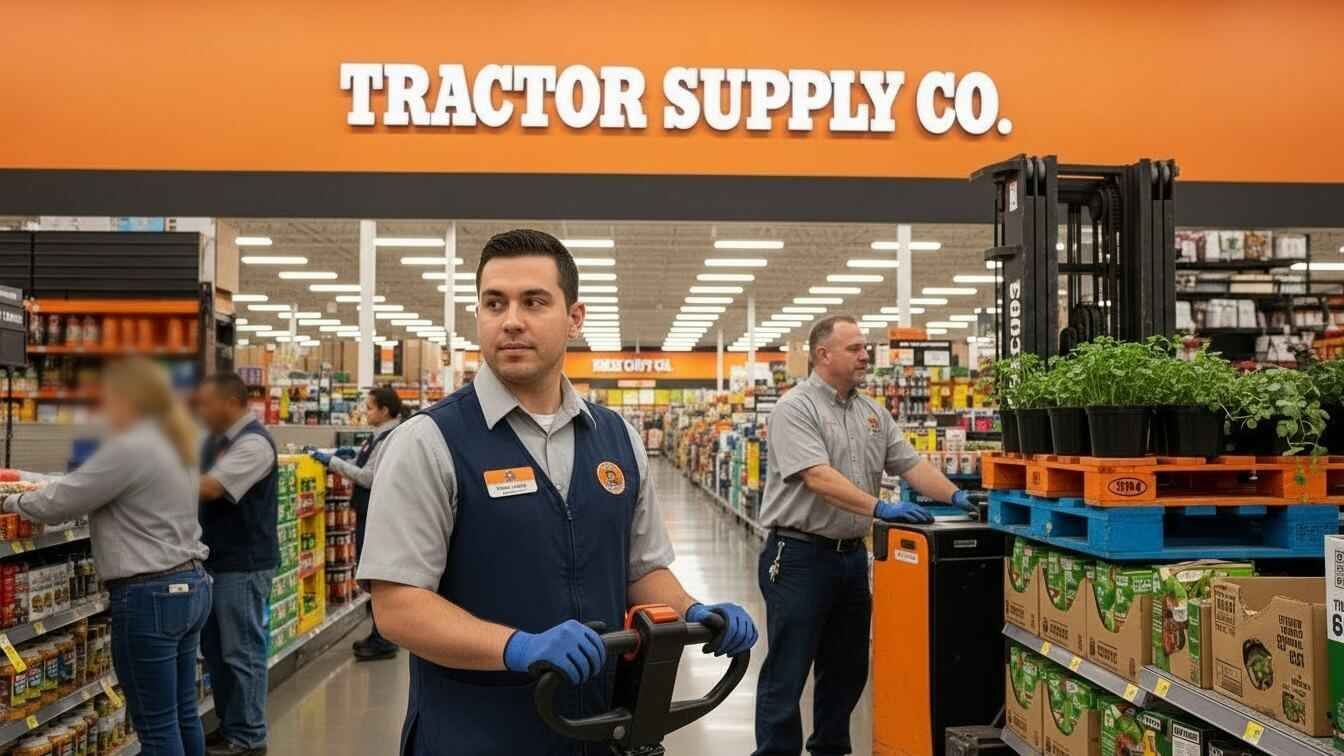
Delivery trucks arrive with products that need to be unloaded. You’ll move boxes from the warehouse to shelves, organise items to ensure they look neat, and ensure that popular products remain stocked throughout the day.
This physical work takes up significant time. You’re lifting, carrying, bending, and walking for most of your shift.
Running the Cash Register
You’ll scan items, handle payments, process returns, and sign people up for the store’s rewards program. The register system is straightforward—similar to any other retail store. They teach you how to use it during your first week.
What Tractor Supply Actually Requires
The Written Requirements
Look at any Tractor Supply job posting, and you’ll see:
- High school diploma or GED
- Can lift 50 pounds or more
- Available to work weekends, evenings, and some holidays
- Friendly personality and customer service skills
That’s it. No farming degree. No agriculture experience. No livestock knowledge required.
What Really Gets You Hired
- Any retail experience helps. Worked at Walmart, Target, McDonald’s, or a local store? You already understand customer service, operating registers, and keeping things organized. That experience matters more than knowing about tractors.
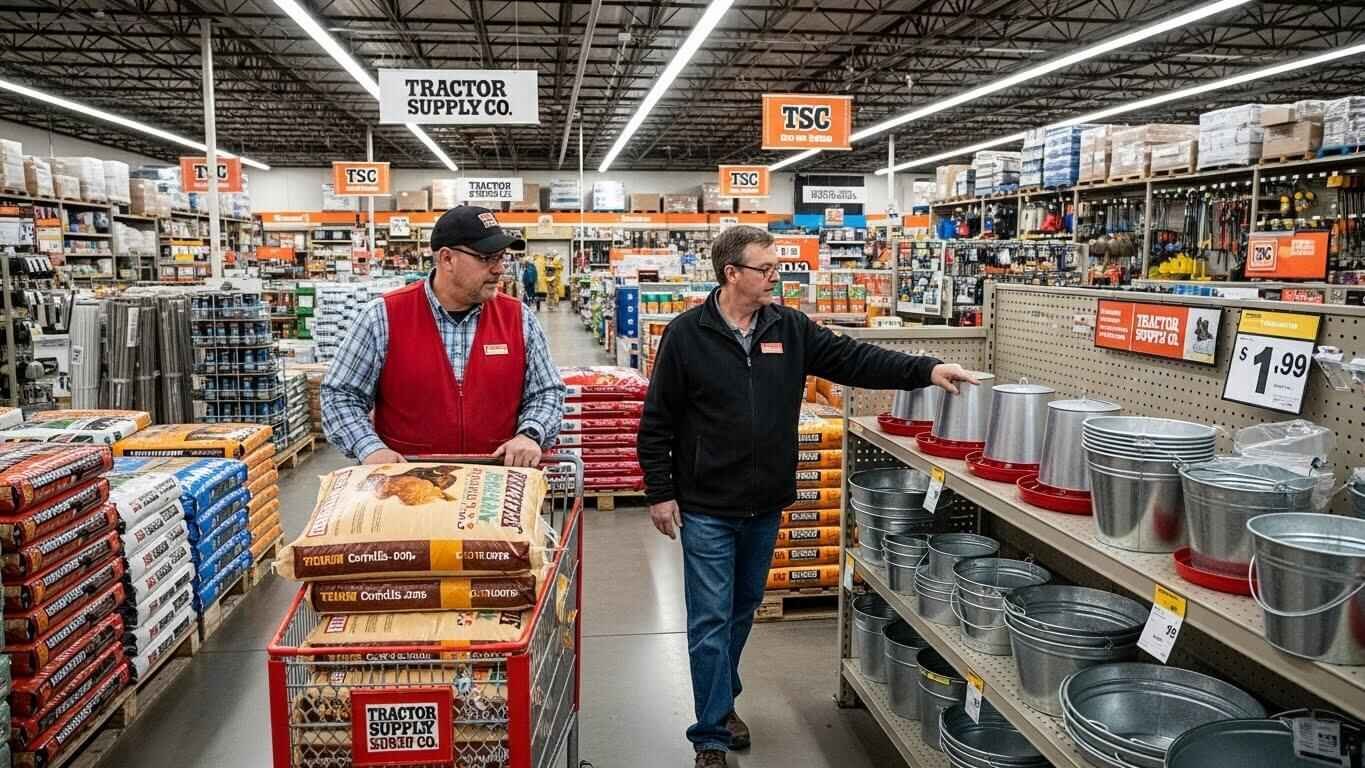
- Physical capability is required. You’ll regularly lift 50-80 pound bags of animal feed. You’ll stand for 8-hour shifts on hard floors. You’ll work outside in hot summers and cold winters when unloading trucks or helping customers load their vehicles. If you’ve done warehouse work, construction, restaurant jobs, or anything physical, you’re prepared.
- Being willing to learn matters most. The store sells thousands of different products. Nobody expects you to know everything—or anything—when you start. Can you read product labels, remember common questions, and ask for help when you need it? That’s what succeeds.
- Basic communication skills help. You need to talk with customers, understand what they need, and explain things simply. Any job where you’ve dealt with people prepares you for this.
What You’ll Actually Earn in 2026

Hourly Pay
Starting pay ranges from $13-$17 per hour, depending on where the store is located. Rural areas with lower costs of living typically start around $13-$14. Cities and competitive job markets offer $15-$17 per hour.
If you work full-time (40 hours weekly), that’s roughly $27,000-$35,000 per year before taxes. Many new hires start part-time at 20-30 hours per week, which means less total income initially.
Part-Time vs. Full-Time
Most people start part-time. You’ll work 20-30 hours weekly at first. After proving you’re reliable—showing up on time, doing good work, being helpful—you can move to full-time within a few months.
Full-time employees get benefits:
- Health insurance
- 401(k) retirement plan with company matching
- Paid time off
- 15-20% employee discount on everything in the store
These benefits add real value beyond your hourly wage.
Busy Seasons Mean More Hours
Spring (March-May) is the busiest time. Farmers plant crops, gardeners buy supplies, and people with animals stock up on feed. During these months, you can work morehours and earn overtime pay (time and a half).
Winter is slower. If you’re part-time, you might get fewer hours during December-February when business slows down.
How Training Actually Works
Your First Week
You’ll spend time on the computer completing training modules. These teach you about different product categories through videos and quizzes. Topics include animal feed, pet supplies, tools, fencing, and seasonal items like gardening supplies.
This computer training takes about 8-12 hours. It’s boring but necessary. You’re learning the basics of what the store sells.
You’ll also learn company policies, how to stay safe at work, and how to use the cash register system.
Learning on the Floor
After computer training, you’ll shadow experienced associates. This means following them around, watching how they help customers, and gradually trying things yourself with their guidance.
Here’s what they don’t tell you in the job posting: reference guides exist everywhere in the store. Product information sheets, supplier catalogs, and digital tools help you find answers. Nobody memorizes thousands of product details. You learn where to find information, not how to remember everything.
Getting Better Over Time
After a few weeks, you’ll start recognizing patterns. The same questions come up repeatedly. Which dog food is best? What size work boots do I need? What kind of fence should I buy?
You’ll naturally remember answers to common questions through repetition. The store rotates seasonal products predictably—garden stuff in spring, heating supplies in winter—giving you time to learn each category.
Many associates buy products using their employee discount to try them personally. This helps you give honest recommendations based on experience.
The Physical Side You Need to Know
What Your Body Does All Day
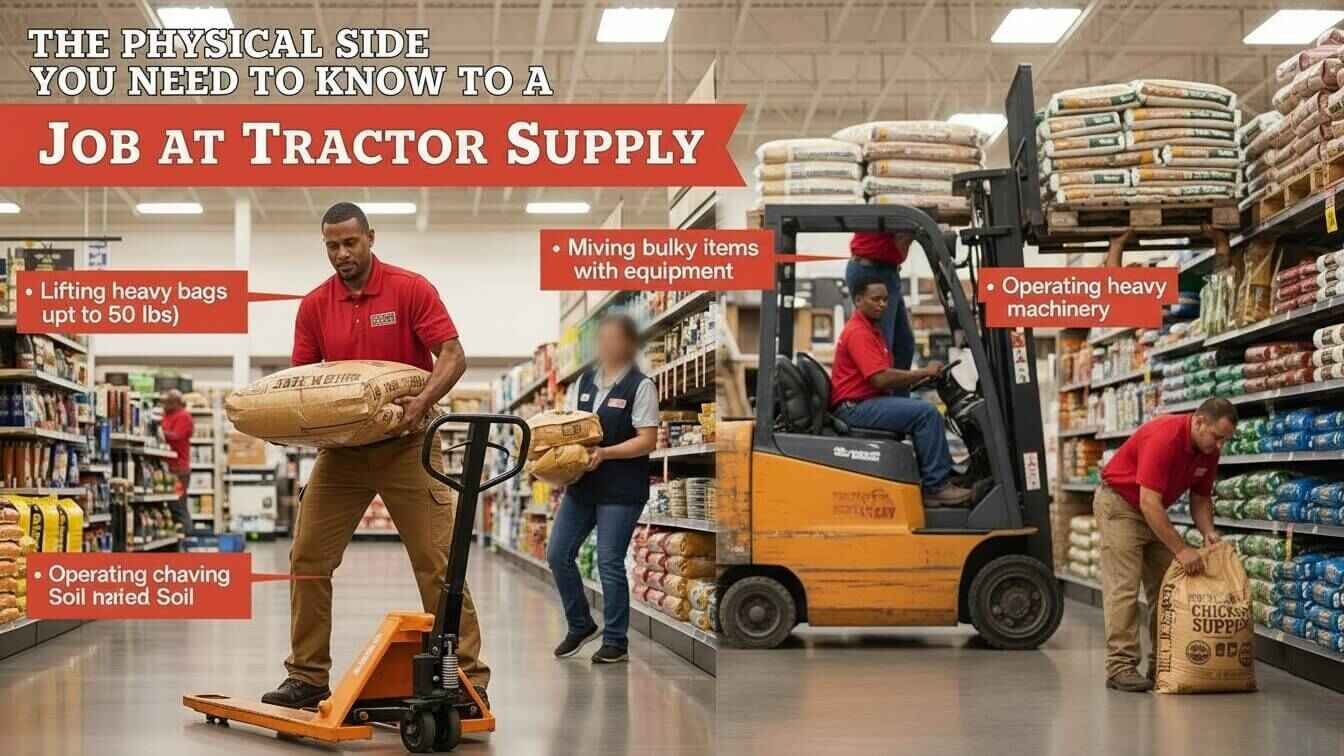
You’ll lift heavy bags—50, 60, sometimes 80 pounds—regularly. Animal feed, fertilizer, and pet food all come in these heavy bags. You’ll also carry fence posts, load customer trucks, and move boxes from the back room to shelves.
Standing on concrete floors for 8 hours straight is tiring. Your feet, legs, and back will hurt at first. Good work boots help tremendously. Buy comfortable, supportive boots before your first day.
You’ll work outside sometimes, even in bad weather. Unloading delivery trucks happens rain or shine, summer heat or winter cold.
Being Honest With Yourself
If you already work physically—in warehouses, construction, restaurants, landscaping—you’ll adjust quickly.
If you currently sit at a desk all day, expect your body to hurt during the first few weeks. Most people adapt within a month. Some realize the physical demands don’t match what they want and quit.
Think honestly about whether you can handle this before applying.
Your Work Schedule

Retail Hours
New employees usually work closing shifts (until 8-9 PM) and weekends. These are the shifts nobody else wants, so they go to new people.
Retail means working when customers shop—evenings, Saturdays, Sundays, and some holidays. If you need weekends off or can’t work past 5 PM, this job won’t work for you.
Hours That Change Weekly
Part-time schedules aren’t consistent. One week you might work 25 hours, the next week only 15 hours. This depends on how busy the store is and how many other employees are scheduled.
This unpredictability makes budgeting difficult until you move to full-time status with more stable hours.
Busy Times
Spring is crazy busy. Everyone needs gardening supplies, farmers buy equipment, and people with animals stock up. You’ll work more hours, move faster, and have fewer days off approved.
Summer and fall are moderately busy. Winter is slow, which might mean fewer hours if you’re part-time.
Growing in the Company

Moving Up
Good employees can become senior sales associates within 6-12 months. This means $1-2 more per hour and some leadership responsibilities like training new people.
After 1-3 years of good performance, you might become an assistant manager. These positions pay around $35,000-$45,000 yearly and involve managing inventory, creating schedules, and supervising other employees.
Store managers run entire stores and earn $60,000-$80,000 or more. Most managers either started as sales associates and worked their way up or came from management positions at other retail stores.
Skills You’ll Gain
You’ll learn inventory management, customer service, register systems, and how retail operations work. These skills transfer to other jobs if you decide to leave.
Some people use Tractor Supply as a stable income while going to school or training for different careers. Others build long-term careers here. Both paths are perfectly fine.
How to Get the Job

Applying Online
Go to TractorSupply.com/careers and fill out the application completely. Don’t skip questions—incomplete applications get rejected automatically.
On your resume, highlight any customer service experience. Worked at a restaurant? Mention it. Retail experience? Include it. Warehouse job? Add it. Physical work of any kind shows you can handle the demands.
Use simple descriptions with numbers when possible: “Helped 50+ customers daily” or “Unloaded delivery trucks 3 times weekly.”
The Interview
You’ll usually have one or two interviews, often starting with an assistant manager. They’ll ask about:
- Your customer service experience (“Tell me about a time you helped a difficult customer“)
- What do you do if you don’t know the answer to a customer’s question
- Whether you can work weekends and evenings
- If you understand the job involves heavy lifting
Standing Out From Other Applicants
- Research the store first. Spend 20 minutes on the Tractor Supply website looking at products. During your interview, mention specific departments that interest you. This shows you’re genuinely interested, not just applying everywhere.
- Show enthusiasm for learning. Say something like: “I don’t know much about these products yet, but I’m excited to learn. I like the idea of working somewhere with so much variety.”
- Be honest about the physical work. Don’t pretend it’ll be easy. Say: “I understand this job requires heavy lifting and being on my feet all day. I’m ready for that kind of work.”
- Emphasize your availability. If you can work weekends, evenings, and holidays, mention this immediately. Flexible scheduling often matters more than experience.
Common Worries Answered
“Won’t Farmers Think I’m Dumb?”
Most customers aren’t farmers. They’re regular people buying pet food, gardening supplies, or tools for home projects. These customers know less than you will after training.
When you do meet knowledgeable customers, honesty works: “I’m still learning about that. Let me find someone who can help you better.” People respect honesty more than fake knowledge.
“Can I Handle Physical Work?”
If you currently exercise, play sports, or already work physically, you’ll probably adjust fine.
If you sit at a computer all day now, your body will hurt initially. Start walking more and doing basic strength exercises a few weeks before starting. Most people’s bodies adapt within a month.
Good boots, drinking water, and using proper lifting techniques prevent most injuries.
“Will I Be Stuck Here Forever?”
You control your career path. Some people get promoted to management within a few years. Others use Tractor Supply as income while pursuing education or other goals. Both approaches work.
The skills you learn—customer service, inventory management, retail operations—help you get jobs elsewhere if you decide to leave.
Conclusion
You don’t need to know anything about farms to work at Tractor Supply. You need customer service skills, physical stamina, and a willingness to learn. The company specifically trains people with zero agricultural knowledge.
Your advantages come from any retail experience, schedule flexibility, and honest confidence about handling physical work—not from knowing about tractors or livestock.
During interviews, show enthusiasm for learning, mention you’ve researched their products, and clearly state your availability for weekends and evenings. Acknowledge the physical demands while expressing confidence that you can handle them.
Whether you’re building a retail career or need a stable income while working toward other goals, Tractor Supply offers real opportunities. Apply at TractorSupply.com/careers, highlight your transferable skills on your resume, and approach the interview knowing they’ll teach you everything you need to succeed.
The job is available. The training is provided. The only question is whether you’re ready for physical retail work with growth potential.
FAQs
Do I seriously not need farm experience?
Seriously. Tractor Supply trains everyone, assuming you know nothing about farms, animals, or agriculture. They care about customer service skills, physical ability, and willingness to learn. Many successful employees grew up in cities and knew nothing about rural life before starting.
What’s the pay for 2026?
Expect $13-$17 per hour starting, depending on location. Rural stores usually pay $13-$14. City stores pay $15-$17. Full-time employees get health insurance, 401(k) retirement matching, paid time off, and employee discounts after qualifying.
Is the work really that physical?
Yes. You’ll lift 50-80 pound bags regularly, stand for 8-hour shifts on concrete, and work outside in all weather. If you’ve done warehouse, construction, or restaurant work, you’re prepared. Office workers often underestimate how tiring the physical work is.
Can part-timers become full-time?
Usually, within 3-6 months if you prove you’re reliable. Show up on time, do good work, be helpful, and express interest in more hours. Full-time positions depend on store needs, but motivated employees typically transition successfully.
What happens in the interview?
They’ll ask about past customer service experiences, how you’d handle not knowing answers, whether you can work weekends and evenings, and if you understand the physical demands. Research basic product categories beforehand. Be honest about your availability and physical capability.